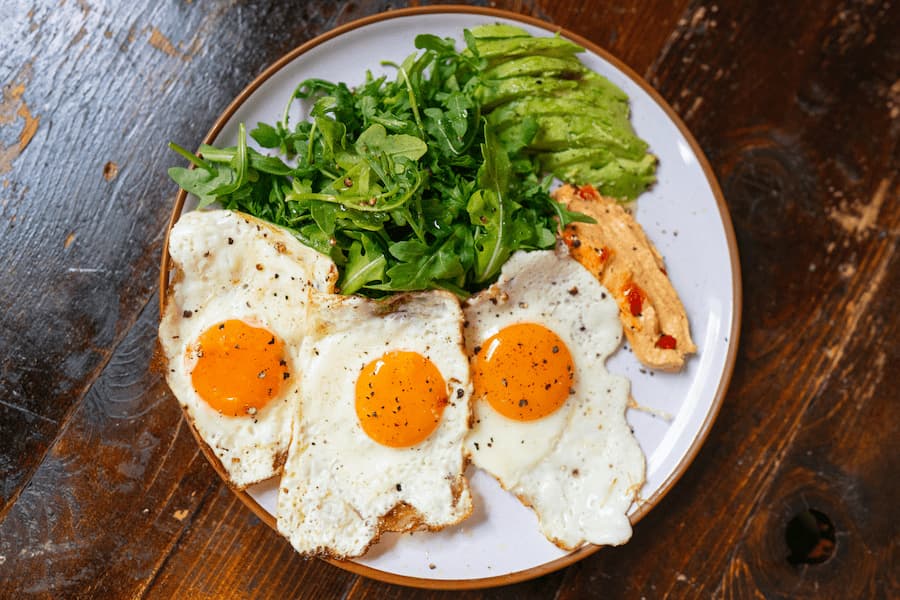
Looking for a high protein breakfast? Discover easy ideas, bowls, sandwiches, vegan options and a 7-day plan to stay full and energised all morning.
Mornings are busy. Most of us grab whatever is quickest: a slice of white toast, a sugary cereal, or just a cup of tea. An hour later the hunger is back, the energy has dropped and we are snacking before lunch. A high protein breakfast solves this problem in a simple way. Protein digests slowly, keeps you full for longer and supports your muscles, especially if you exercise at home.
In this guide you will learn why a high protein breakfast matters, how much protein you actually need in the morning, and which foods give you the most protein for the least effort. You will also find quick ideas for busy days, high protein breakfast bowls, handheld options, fast food choices, vegan recipes, a meal prep plan and a full 7-day menu. Whether you want to lose fat, build muscle or simply feel better, there is something here for you.
Why a High Protein Breakfast Matters
Protein is one of the three main nutrients, together with carbohydrates and fat. Your body uses it to build and repair muscle, make hormones and keep your immune system working. Many people eat most of their protein at dinner and very little in the morning. Spreading protein across the day works better, and a high protein breakfast is the easiest place to start.
It keeps you full for longer
Protein is the most filling nutrient. When you eat a high protein breakfast, you feel satisfied for several hours, so you are less likely to reach for biscuits, chips or sweet tea at 11 a.m. People who struggle with constant snacking often find that this single change makes a big difference.
It supports muscle and recovery
If you follow a home workout routine, your muscles need protein to recover after training. Having protein in the morning gives your body the building blocks it needs after a long night without food. A high protein breakfast is especially useful on days when you exercise early.
It helps with weight management
Protein slightly increases the number of calories your body burns during digestion, and it reduces the urge to overeat later in the day. While no single meal causes weight loss, a high protein breakfast makes it easier to control your appetite and stay within your calorie goals.
It steadies your energy
A breakfast made only of refined carbohydrates, such as white bread or sweet biscuits, can cause a quick rise and fall in blood sugar. Adding protein slows digestion and gives you steadier energy. That means better focus at work or study and fewer mid-morning crashes.
How Much Protein Should You Eat at Breakfast?
The right amount depends on your body size, age and activity level. A common target for a high protein breakfast is between 20 and 35 grams of protein. Many nutrition experts suggest around 25 to 30 grams for active adults, because this amount is enough to trigger muscle repair without being hard to eat.
To get a rough idea of your daily needs, most healthy adults do well with about 0.8 grams of protein per kilogram of body weight, while people who train regularly often aim for 1.2 to 2.0 grams per kilogram. If you weigh 60 kg and exercise at home a few times a week, that could mean roughly 72 to 120 grams a day. Splitting this over three meals and one or two snacks makes the numbers easy to reach.
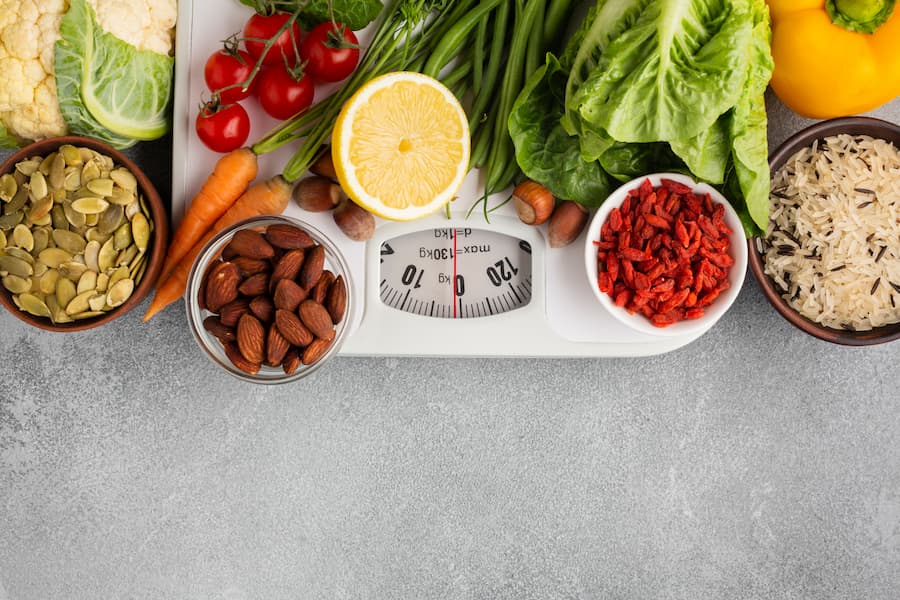
These are general guidelines, not medical advice. If you have kidney problems, are pregnant, or have any health condition, speak to a doctor or registered dietitian before changing your diet.
Best Foods for a High Protein Breakfast
You do not need expensive supplements to build a good high protein breakfast. Everyday foods can do the job. Here are the best options and the approximate protein they provide.
| Food | Approx. protein | Why it works |
|---|---|---|
| Eggs | about 6 g each | Cheap, quick and the classic base for a high protein breakfast |
| Greek yogurt | 15 to 20 g per cup | Choose plain, unsweetened and add your own fruit |
| Cottage cheese | 12 to 14 g per half cup | Works with sweet and savoury toppings |
| Paneer | about 18 g per 100 g | A great vegetarian choice, easy to find in South Asia |
| Lentils (dal) and chickpeas | about 9 g per half cup cooked | Perfect for savoury breakfasts |
| Oats | about 5 g per half cup dry | A good base when you add milk, seeds or protein powder |
| Milk and soy milk | 7 to 8 g per cup | Easy to add to oats, smoothies or tea |
| Nuts and seeds | 4 to 8 g per serving | Peanut butter, almonds, chia and pumpkin seeds |
| Tofu and tempeh | 10 to 20 g per serving | Ideal for a vegan high protein breakfast |
| Fish and lean meat | varies by portion | Canned tuna, chicken or turkey sausage add protein quickly |
The exact numbers change by brand and portion size, so always check the label on packaged foods.
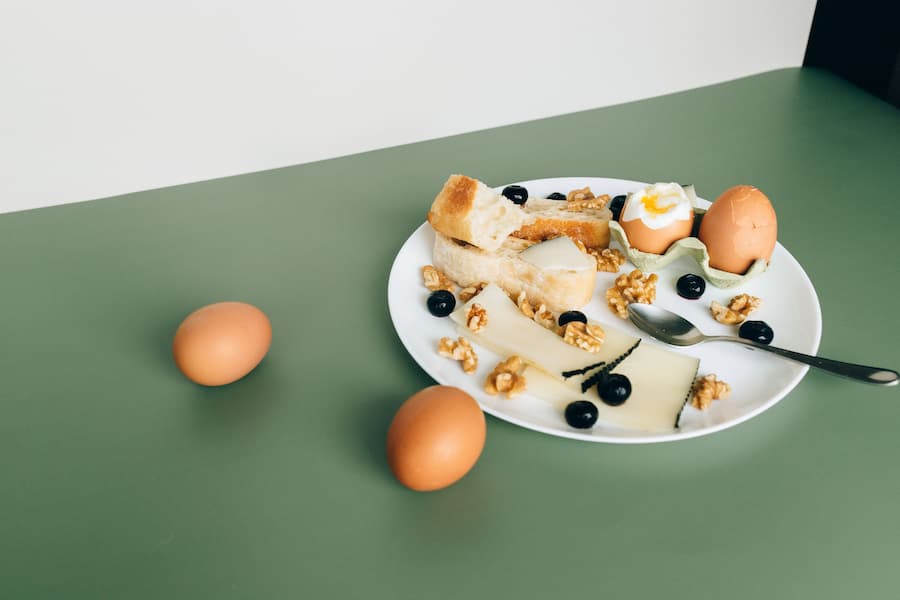
Quick High Protein Breakfast Ideas for Busy Mornings
No time? These ideas take ten minutes or less and make a satisfying high protein breakfast even on the most rushed day.
- Scrambled eggs with spinach. Two or three eggs, a handful of spinach and a pinch of salt and pepper give you about 18 grams of protein.
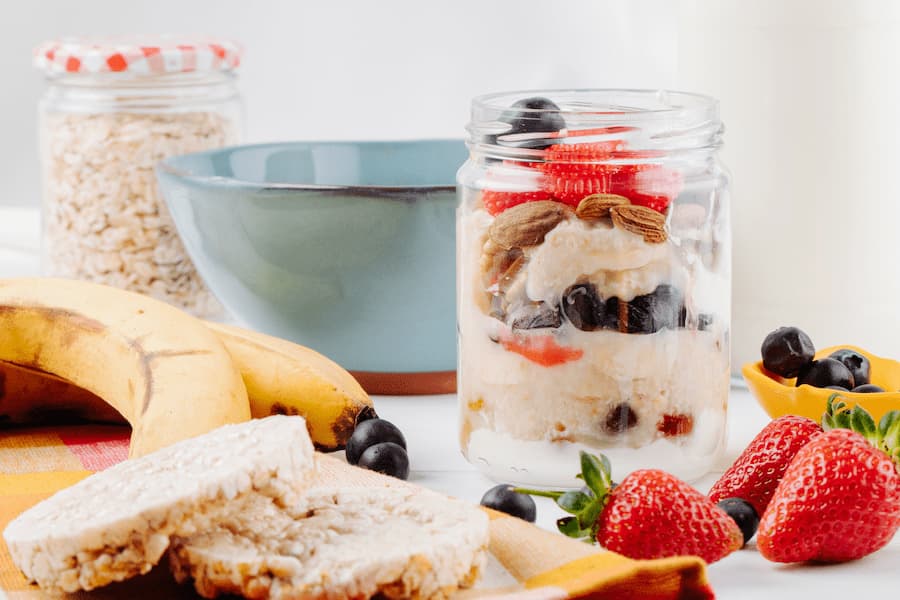
- Greek yogurt parfait. Layer plain Greek yogurt with berries and a spoon of nuts or granola.
- Peanut butter banana toast. Whole-grain bread, one tablespoon of peanut butter and sliced banana. Add a glass of milk to raise the protein.
- Protein overnight oats. Mix oats, milk, Greek yogurt and chia seeds the night before. In the morning it is ready to eat.
- Egg and cheese wrap. Roll scrambled egg and a slice of cheese in a whole-wheat roti or tortilla.
- Cottage cheese bowl. Top it with cucumber and tomato for a savoury option or fruit for a sweet one.
- Smoothie with protein. Blend milk, banana, oats, peanut butter and a scoop of protein powder if you use it.
- Boiled eggs and fruit. Boil a batch at the start of the week and grab two with an apple on your way out.
High Protein Breakfast Bowls
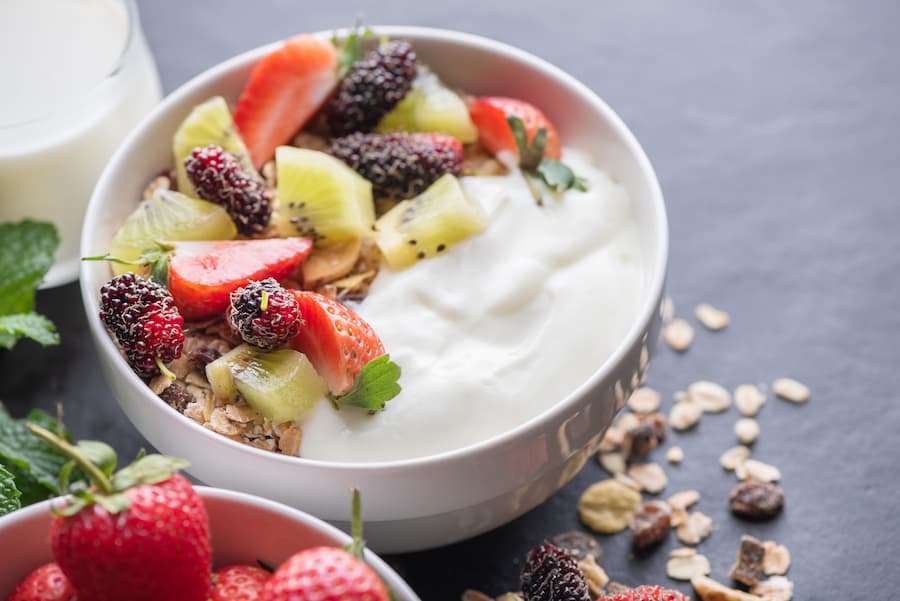
Bowls are a favourite because you can mix and match ingredients. A well-made high protein breakfast bowl combines protein, fibre and healthy fat, which is exactly what keeps you full.
Savoury egg and veggie bowl
Start with a base of cooked rice or quinoa. Add sautéed vegetables, two fried or boiled eggs, and a spoon of salsa or chilli sauce. This bowl easily reaches 20 to 25 grams of protein.
Greek yogurt fruit bowl
Spoon a large portion of Greek yogurt into a bowl. Top with berries, a tablespoon of chia seeds and a handful of almonds. It takes two minutes and gives you around 25 grams of protein.
Cottage cheese and tomato bowl
Mix cottage cheese with chopped tomato, cucumber, a drizzle of olive oil and black pepper. It feels fresh and light, and it is a good high protein breakfast for hot days.
Lentil and egg breakfast bowl
Warm leftover dal, add a boiled egg and some chopped coriander. It is filling, cheap and very easy to prepare. If you are looking for a high protein breakfast with a South Asian flavour, this is a strong option.
Fall-inspired oatmeal bowl
Cook oats with milk, stir in a spoon of pumpkin purée or grated apple, cinnamon and a scoop of Greek yogurt. Finish with walnuts. It is warm, comforting and works well as a seasonal high protein breakfast.
Handheld High Protein Breakfast Options
If you eat on the go, handheld options are ideal. They are easy to prepare in advance and simple to carry.
High protein breakfast sandwich
A good breakfast sandwich needs three things: a whole-grain base, a protein and some vegetables. Try a toasted whole-wheat bun with a fried egg, a slice of cheese, tomato and spinach. If you want more protein, add a slice of turkey or chicken sausage. This high protein breakfast sandwich can give you 25 grams or more, and it tastes far better than a packaged one.
High protein breakfast burrito
Breakfast burritos are perfect for meal prep. Scramble eggs with black beans, peppers and onions, roll the mixture in a large tortilla or roti and wrap it in foil. You can freeze several at once and reheat them in the microwave. A single high protein breakfast burrito recipe like this one can provide 25 to 30 grams of protein, depending on the fillings.
High protein breakfast muffins
Egg muffins baked in a muffin tin are one of the easiest make-ahead options. Whisk eggs, add chopped vegetables and a little cheese, pour into a greased tin and bake until set. If you prefer a sweeter version, bake oat muffins with Greek yogurt, banana and a scoop of protein powder. Both styles make a handy high protein breakfast for the whole week.
High protein breakfast biscuits
Traditional biscuits are made with white flour and butter, which means they are low in protein. You can improve them by using Greek yogurt in the dough and part whole-wheat flour. Fill them with egg and a slice of lean meat. These high protein breakfast biscuits feel like a treat but give you much more staying power.
Breakfast sausage and egg plate
If you like a hearty start, choose lean chicken or turkey sausage instead of fatty pork sausage. Serve with scrambled eggs and a slice of whole-grain toast. A plate like this is a straightforward high protein breakfast with sausage that fits many diets when portions are sensible.
High Protein Breakfast at Fast Food Restaurants
Sometimes you simply cannot cook. Fast food is not the healthiest choice, but you can still make a smarter pick. The key is to look for egg-based items and avoid sugary drinks and heavily fried sides.
At many chains, an egg and cheese muffin or a grilled chicken wrap gives a reasonable amount of protein for the calories. For example, a classic egg muffin from a large burger chain usually provides somewhere around 17 grams of protein. If you are choosing a high protein breakfast at McDonald’s or a similar restaurant, consider these tips:
- Pick an egg-based sandwich rather than a sweet pastry.
- Order an extra egg or a second protein item if available.
- Skip the hash brown or have only half.
- Drink water, black coffee or unsweetened tea instead of juice or sugary coffee drinks.
- Check the official nutrition information on the restaurant’s website or app, because menus and recipes vary by country and change over time.
A fast food high protein breakfast will never be perfect, but small choices make it much better than the default order.
Vegan High Protein Breakfast Ideas
A vegan high protein breakfast is completely possible with the right plants. Here are tested ideas:
- Tofu scramble. Crumble firm tofu into a pan with turmeric, onion, tomato and spinach. It looks and tastes like scrambled eggs and gives about 15 to 20 grams of protein per serving.
- Chickpea flour omelette (besan chilla). Mix chickpea flour with water, spices and chopped vegetables, then cook like a pancake. It is a traditional South Asian dish and an excellent plant-based high protein breakfast.
- Soy yogurt parfait. Layer unsweetened soy yogurt with fruit, nuts and seeds.
- Peanut butter oatmeal. Cook oats in soy milk and stir in two tablespoons of peanut butter.
- Green smoothie with plant protein. Blend spinach, banana, soy milk, hemp seeds and a scoop of pea protein.
- Black bean breakfast tacos. Fill small tortillas with seasoned black beans, avocado and salsa.
Combining different plant proteins, such as grains with legumes, helps you get a full range of amino acids across the day.
High Protein Breakfast Meal Prep Tips
Preparation is the secret to making a high protein breakfast a daily habit. A little time on the weekend saves you effort all week.
- Boil a dozen eggs. Keep them in the fridge for up to a week.
- Bake egg muffins. Make 12 at once and store them in an airtight container.
- Prepare overnight oats in jars. Make three or four jars so every morning is already sorted.
- Freeze burritos and sandwiches. Wrap each one individually and reheat from frozen.
- Cook a big pot of lentils. Use it in savoury bowls throughout the week.
- Portion your snacks. Keep small bags of nuts and seeds ready as quick additions.
Store everything safely and follow food safety guidelines, especially for eggs and cooked dishes.
Common High Protein Breakfast Mistakes to Avoid
- Relying only on protein powder. Whole foods give you fibre, vitamins and minerals that powder cannot.
- Choosing sweetened yogurt. Flavoured yogurts can contain a lot of added sugar. Buy plain and add your own fruit.
- Ignoring fibre. Add vegetables, fruit, oats or whole grains so the meal is balanced.
- Eating too much processed meat. Sausage and bacon should be occasional, not daily.
- Skipping variety. Rotating your high protein breakfast choices prevents boredom and covers more nutrients.
Sample 7-Day High Protein Breakfast Plan
Use this simple weekly plan as a starting point and adjust the portions to your needs.
- Monday: Scrambled eggs with spinach and whole-grain toast.
- Tuesday: Greek yogurt bowl with berries, chia seeds and almonds.
- Wednesday: Egg and cheese wrap with a side of fruit.
- Thursday: Protein overnight oats with banana and peanut butter.
- Friday: Cottage cheese bowl with tomato and cucumber.
- Saturday: Breakfast burrito with eggs, beans and peppers.
- Sunday: Tofu scramble or besan chilla with vegetables.
This plan gives you a different high protein breakfast every day, and most meals take under fifteen minutes.
Frequently Asked Questions
What is a good high protein breakfast for weight loss?
Choose foods that are high in protein and fibre but moderate in calories, such as eggs with vegetables, Greek yogurt with berries or cottage cheese with cucumber. These keep you full without adding too many calories.
How many grams of protein should a breakfast have?
For most active adults, 20 to 35 grams is a sensible range for a high protein breakfast. Your exact needs depend on your weight, goals and activity level.
Can I eat a high protein breakfast without eggs?
Yes. Greek yogurt, cottage cheese, paneer, tofu, lentils, chickpea flour, nuts and protein smoothies are all excellent egg-free choices.
Is a high protein breakfast good for building muscle?
It can help. Muscle growth depends on your total daily protein, strength training and sleep, but a high protein breakfast makes it easier to reach your daily target.
Can I prepare a high protein breakfast ahead of time?
Absolutely. Egg muffins, overnight oats, burritos and boiled eggs all keep well and save time on busy mornings.
Final Thoughts
A high protein breakfast does not need to be complicated or expensive. Start with simple foods such as eggs, yogurt, lentils or tofu, add some fibre and healthy fat, and build the habit one morning at a time. Try two or three ideas from this guide this week, notice how your energy and hunger change, and keep the ones you enjoy.
If you are also working on your fitness at home, pair your new morning routine with a regular workout plan. Good nutrition and consistent exercise work best together. Explore our beginner-friendly home workouts on HealthFitStart and make every morning a strong start.
Disclaimer: This article is for general information only and is not medical or dietary advice. Please consult a qualified healthcare professional before making major changes to your diet.