Every parent knows the morning rush. The backpack is half zipped, a shoe has gone missing, and somewhere in the middle of it all you still need to pack something your child will actually eat. Finding healthy school snacks that are quick to make, easy to carry, and tasty enough to survive the trip to school can feel like a daily puzzle.
The good news is that you do not need fancy ingredients or hours in the kitchen. The best healthy school snacks use simple foods like fruit, whole grains, yogurt, vegetables, and a little protein, and they come together in minutes. A smart snack also bridges the long gap between breakfast and lunch, or between the last bell and dinner.
In this guide, you will find 15 easy ideas for healthy school snacks, a simple formula for building a balanced snack, practical lunchbox tips, and the most common mistakes to avoid. Whether your child is in kindergarten or middle school, you will find something to try this week.
Why Healthy School Snacks Matter
Children are growing, learning, and moving all day long, and their small stomachs cannot always hold enough at mealtimes to carry them through. A well-chosen snack fills that gap. Healthy school snacks give kids a chance to take in extra fiber, vitamins, minerals, and protein, which support steady energy and help them stay focused in class.
Snacks also shape eating habits more than many parents realize. When children regularly see fruit, vegetables, whole grains, and dairy in their lunchbox, those foods start to feel normal and familiar. Over time, that familiarity can make kids more open to trying new flavors.
Of course, healthy school snacks do not need to be perfect or boring. A snack can be colorful, fun, and a little playful while still being nutritious. The goal is balance and variety, not strict rules. Every child is different, so use these ideas as a starting point and adjust for your child’s age, appetite, tastes, and any allergies or health needs.
What Makes a Good School Snack?
Before the ideas, it helps to know what to look for. A simple formula for building healthy school snacks is to combine two food groups. Pairing a fiber-rich food with a source of protein or healthy fat keeps kids fuller for longer than a sweet snack on its own.
- Fruit or vegetable: adds fiber, vitamins, and water, plus color and crunch.
- Whole grain: oats, whole-wheat bread, and whole-grain crackers provide lasting energy.
- Protein: yogurt, cheese, eggs, hummus, and nut or seed butters help kids feel satisfied.
- Healthy fat: seeds, nut butters, and avocado add richness and support growth.
Try fruit with yogurt, crackers with cheese, or vegetable sticks with a dip. Each pairing gives your child a mix of nutrients in one easy bite. For more on building balanced plates, the Harvard Healthy Eating Plate is a helpful visual guide.
Also think about practical points. A good snack is easy for small hands to open and eat, does not leak or crumble all over a backpack, and stays safe until snack time. A snack that tastes great at home but turns soggy by mid-morning will probably come home uneaten.
15 Healthy School Snacks Kids Will Love
Mix and match these ideas through the week. Each one is simple to prepare, easy to pack, and flexible enough to adapt to your child’s tastes.
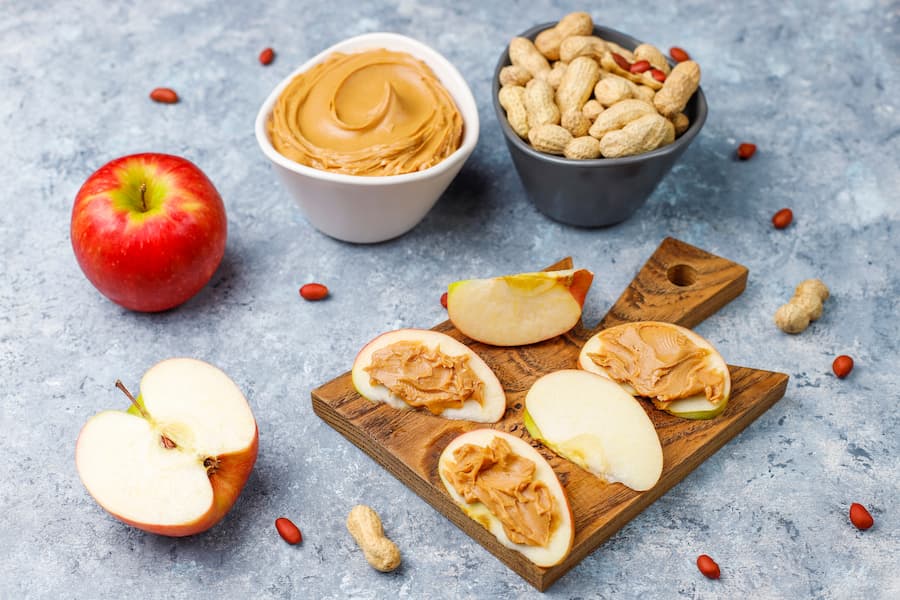
1. Apple Slices with Peanut Butter
Crisp apple slices with a small spoonful of peanut butter are a classic for a reason. The apple brings fiber and natural sweetness, while the peanut butter adds protein and healthy fat to keep hunger away. Toss the slices in a little lemon juice so they stay bright and do not brown.
Make it easier: pack the peanut butter in a small separate container for dipping. Always check your school’s allergy policy first, and if nuts are not allowed, use a school-approved seed butter instead.
2. Fresh Fruit Salad
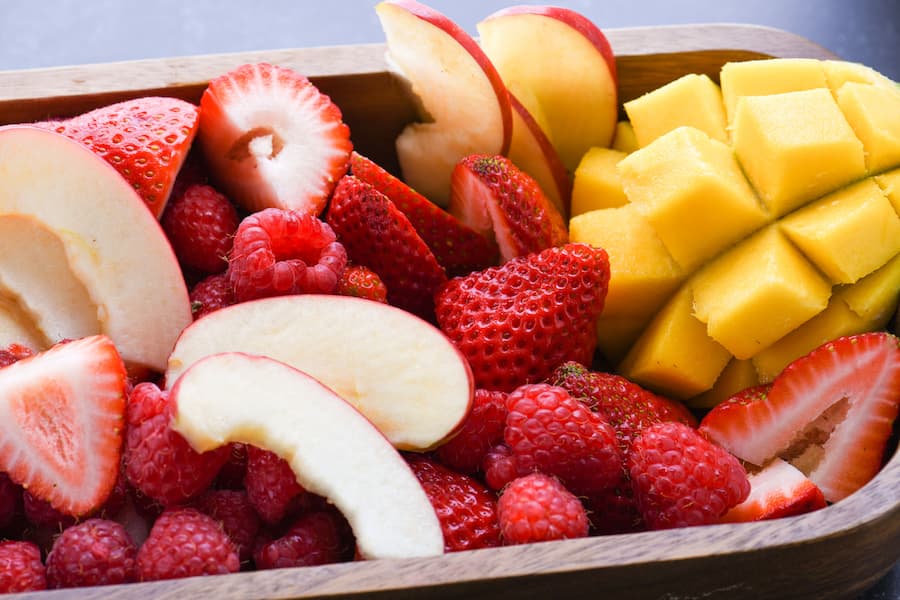
A colorful fruit salad is one of the easiest healthy school snacks to prepare the night before. Mix strawberries, grapes, melon, or orange segments in a small container. Fruit provides vitamins, minerals, and fiber, and the bright colors make it fun to eat.
Make it safer: cut grapes in half lengthwise for younger children to lower the choking risk, and add banana last so it stays firm.
3. Oatmeal Energy Bites
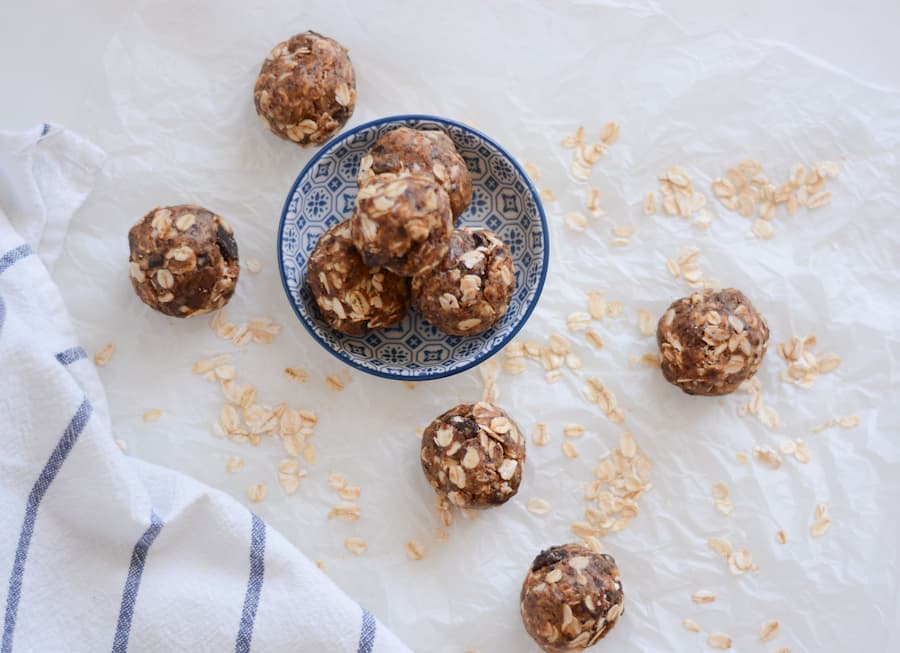
Energy bites are soft, chewy, and easy to make in one bowl. Mix rolled oats with mashed banana, a spoonful of seed butter, and a sprinkle of cinnamon, then roll the mixture into small balls. You control the sugar, so keep sweeteners to a minimum.
Make it easier: store the bites in the refrigerator and pack them with an ice pack. For younger kids, keep the pieces small and soft, and avoid hard or sticky add-ins.
4. Whole-Grain Crackers and Cheese
This pairing gives kids carbohydrates, protein, and calcium in one easy snack. Choose whole-grain crackers with a short ingredient list and lower salt when possible. Cut cheese into thin slices or small cubes, or use string cheese for a fun, mess-free option.
Make it safer: cheese needs to stay cool, so pack it beside an ice pack in an insulated bag.
5. Yogurt with Berries
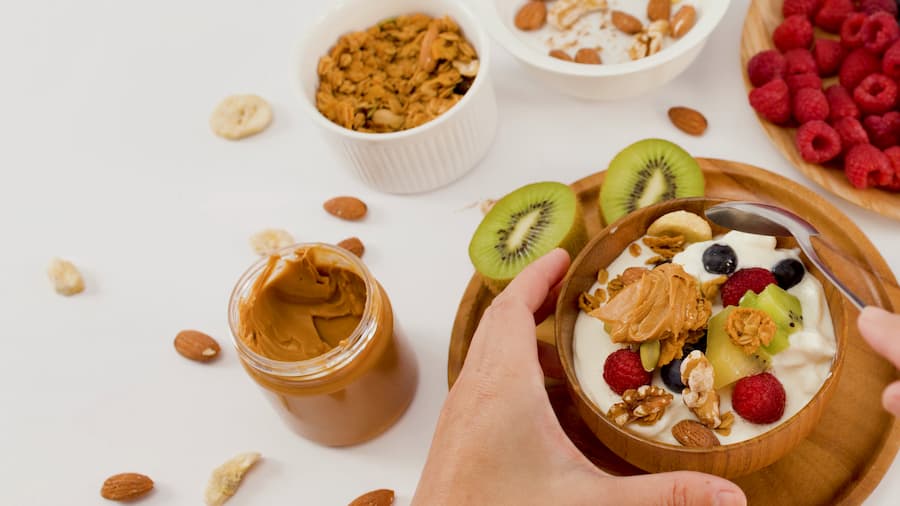
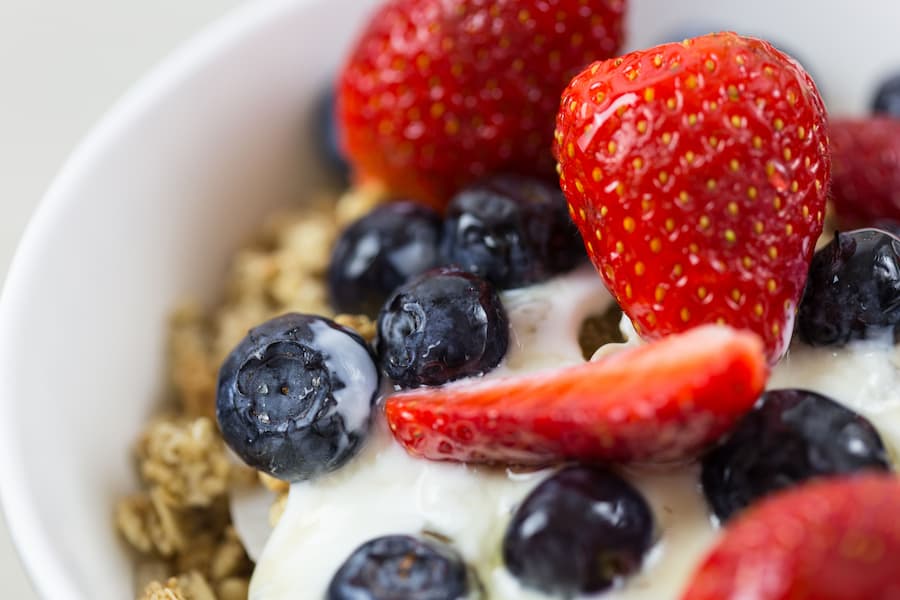
Plain or lightly sweetened yogurt topped with strawberries or blueberries is one of the most popular healthy school snacks because it is creamy, cool, and refreshing. Yogurt provides protein and calcium, and the berries add fiber, flavor, and color. Buying plain yogurt and adding your own fruit usually means less added sugar than flavored cups.
Make it easier: pack it in a leak-proof container with a spoon, and keep it chilled until snack time.
6. Carrot and Cucumber Sticks with Yogurt Dip
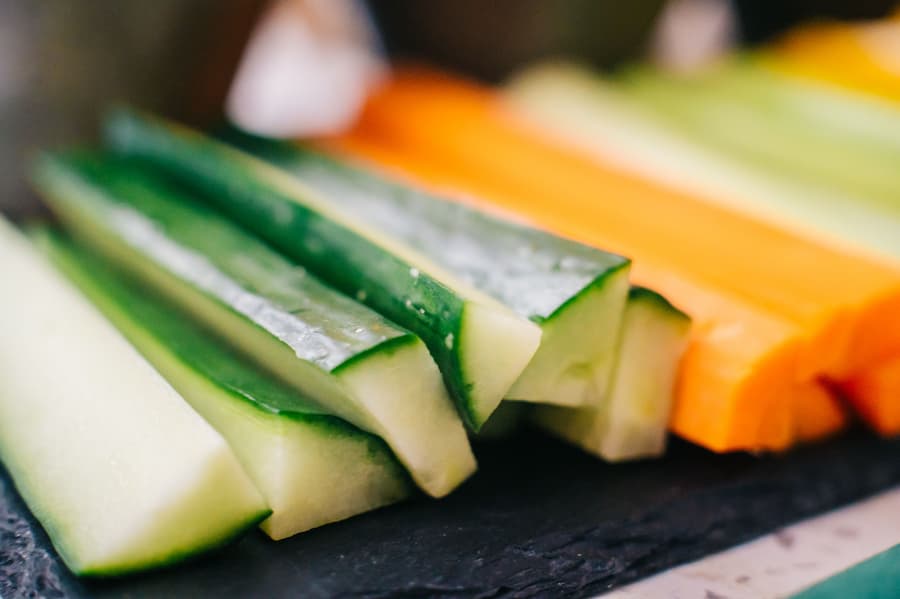
Crunchy vegetables are a great way to add color to a lunchbox. Carrot and cucumber sticks pair well with a small container of dip made from plain yogurt, a squeeze of lemon, and a pinch of dried herbs. A dip makes vegetables more fun to eat.
Make it safer: cut raw vegetables into age-appropriate sizes, and lightly steam carrots to make them tender for younger children.
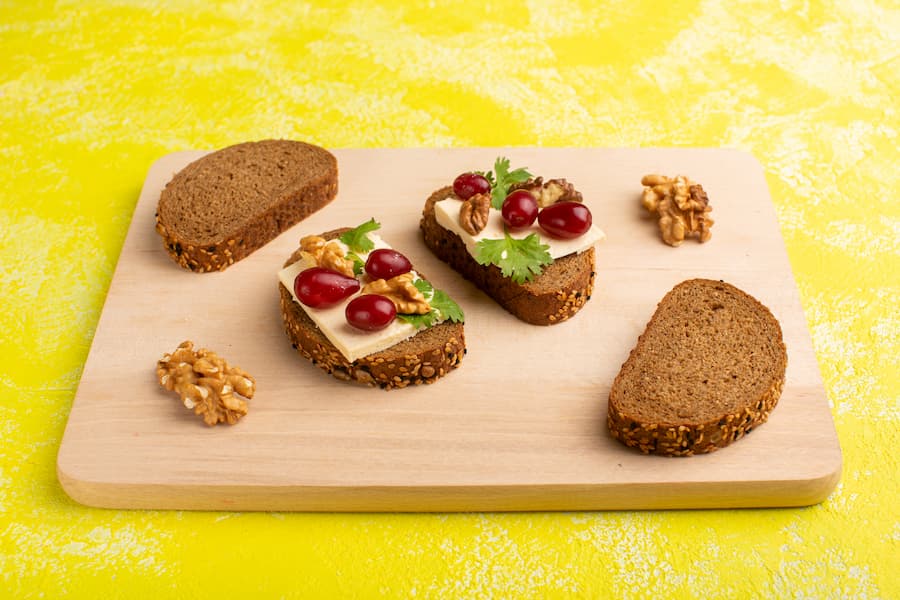
7. Mini Whole-Wheat Sandwiches
Small sandwiches feel like a treat and are easy for little hands to hold. Use whole-wheat bread with cheese, sliced egg, or another filling your child enjoys, then cut them into quarters or fun shapes with a cookie cutter. A thin spread of mashed avocado keeps them moist.
Make it safer: keep perishable fillings cold until lunchtime with an ice pack.
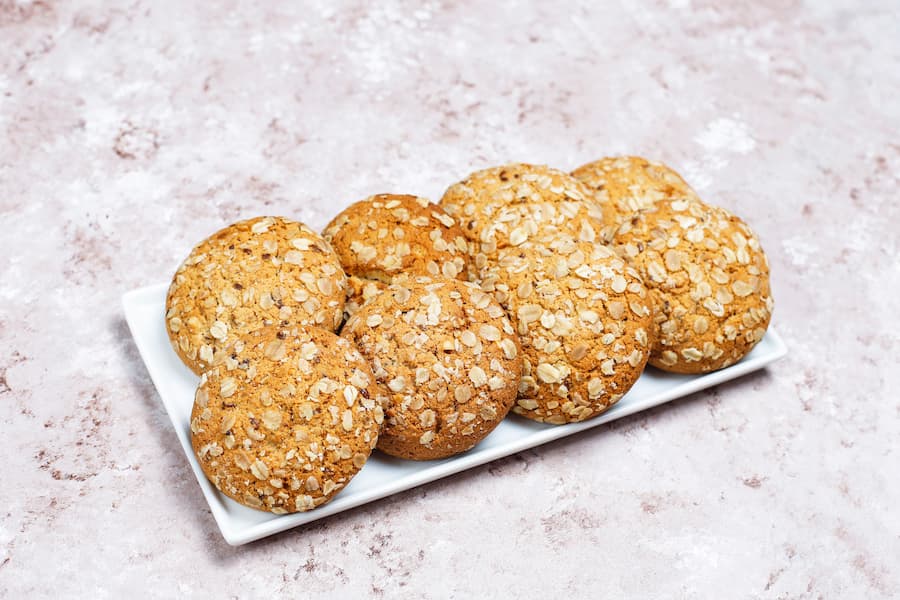
8. Banana Oat Cookies
These simple cookies need only ripe bananas and oats, though you can add cinnamon or a few raisins. Mash the bananas, stir in the oats, scoop onto a tray, and bake until golden. They are soft, naturally sweet, and perfect for baking ahead.
Why they work: because they rely on fruit for sweetness, they make a gentler alternative to many store-bought cookies.
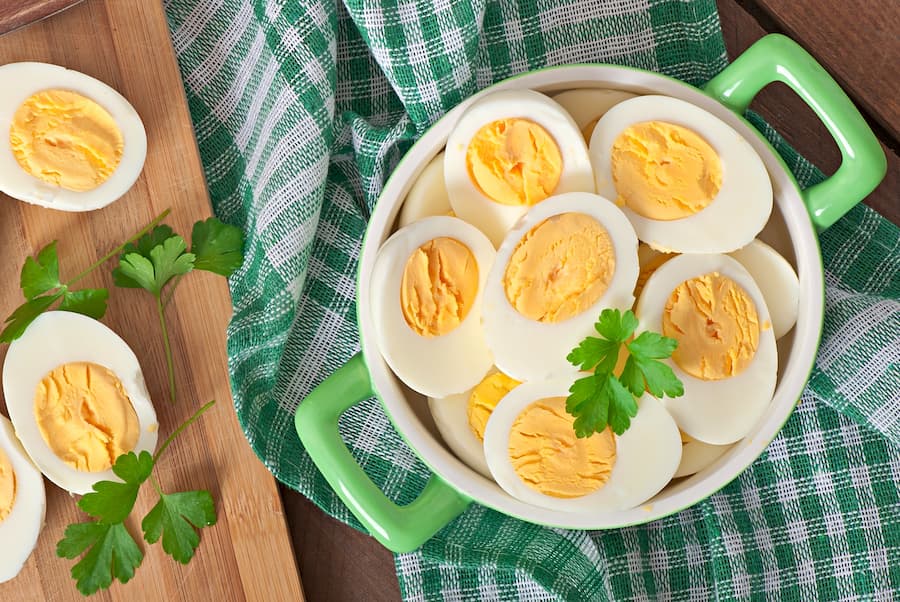
9. Hard-Boiled Eggs
Eggs are a filling source of protein and fit well into a box of healthy school snacks. Peel them at home, add a tiny pinch of salt if you like, and pack them with whole-grain crackers or soft vegetable pieces.
Make it safer: eggs are perishable, so keep them cold until it is time to eat, and cut them into quarters for younger children.
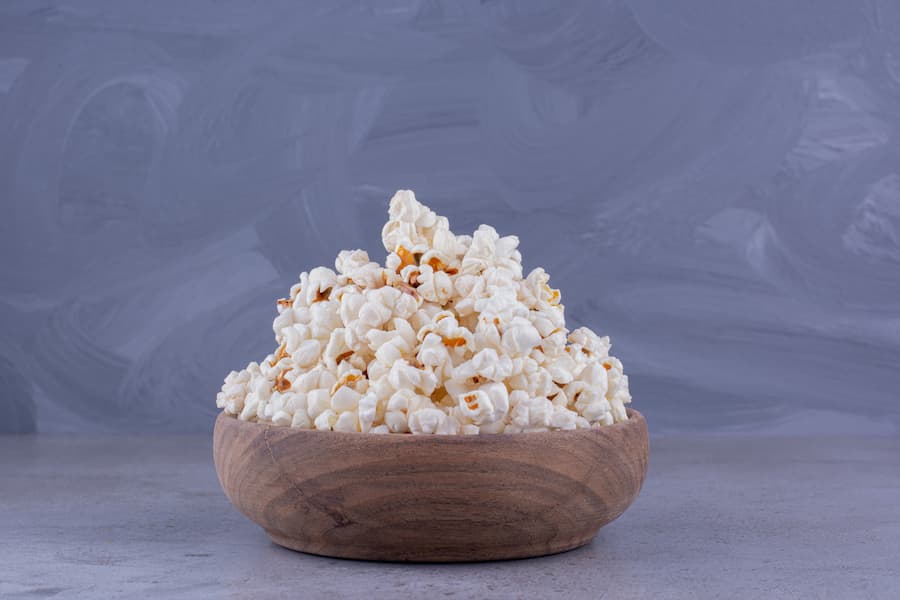
10. Air-Popped Popcorn
Popcorn is a whole-grain snack that many older kids love. Air-popping at home lets you control the salt and avoid heavy butter or sugary coatings. Try a light dusting of cinnamon or a little grated cheese for flavor.
Make it safer: popcorn is a choking risk for young children, so save this one for older kids who can chew it well.
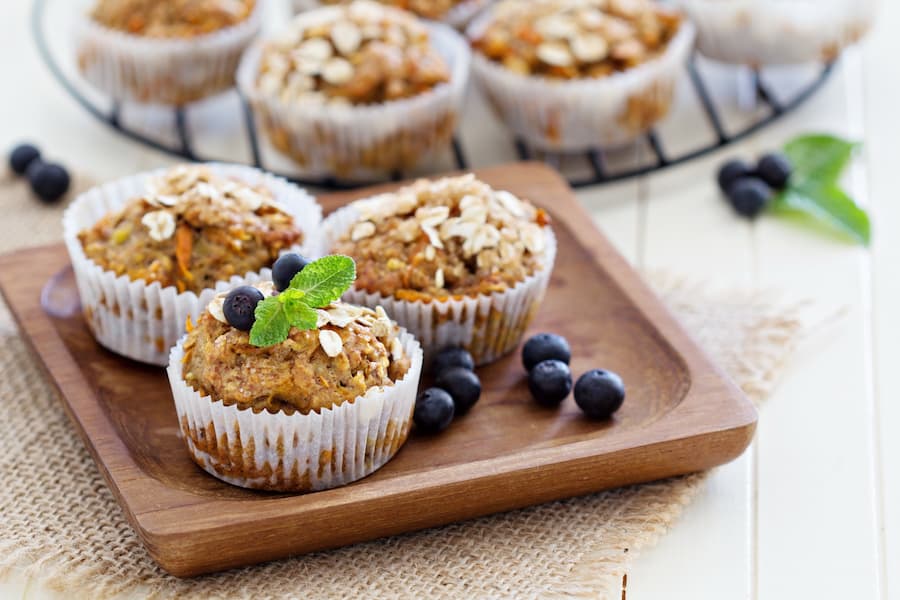
11. Whole-Grain Mini Muffins
Mini muffins made with oats, whole-wheat flour, mashed banana, or grated apple are soft, easy-to-eat healthy school snacks. Baking at home lets you cut back on added sugar and add extras like grated carrot or zucchini.
Make it easier: bake a big batch on the weekend and freeze extras in a bag. Pull one out each morning and it will thaw by snack time.
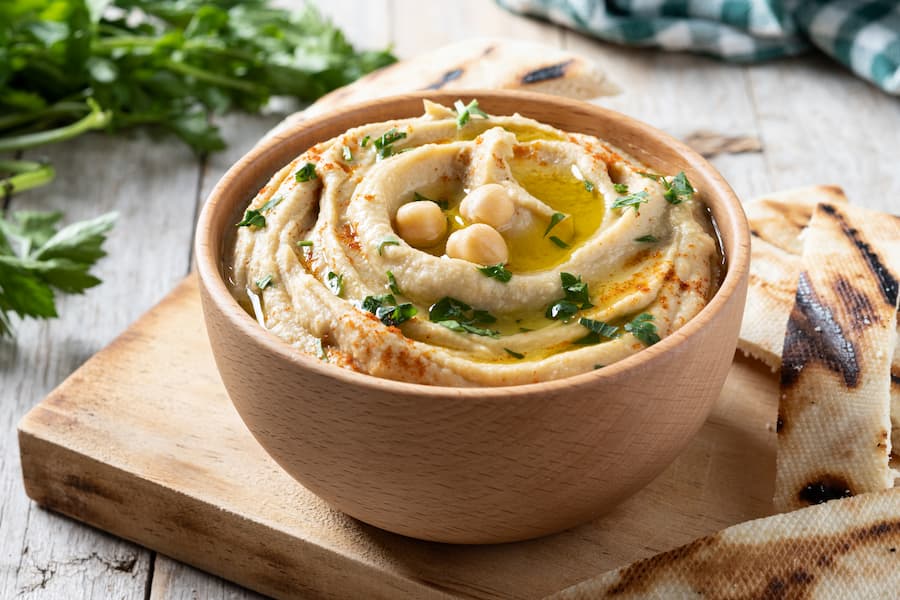
12. Hummus with Soft Pita
Hummus is made from chickpeas, so it offers plant-based protein and fiber. Serve it with small triangles of soft whole-wheat pita for a savory snack that feels different from the usual sweet options.
Make it easier: keep the hummus cold until snack time, and add cucumber slices if your child likes to dip.
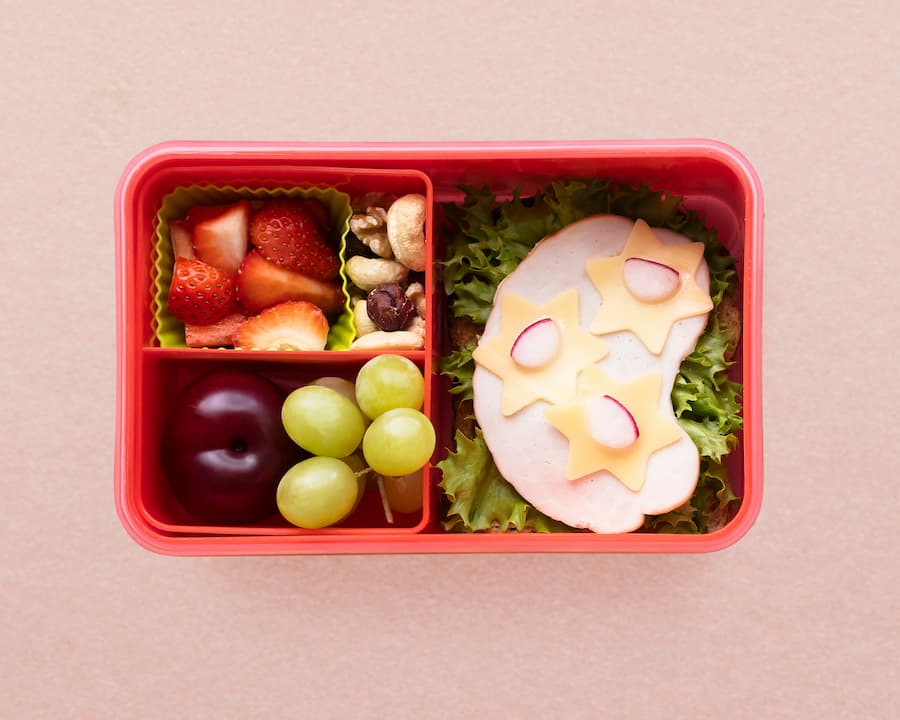
13. Cheese and Fruit Snack Box
Small cubes of cheese alongside sliced pear, apple, or melon give kids a mix of textures and flavors in one box. Cheese adds protein and calcium, while fruit adds sweetness and fiber.
Make it easier: a divided container keeps everything separate and tidy, and an insulated bag with an ice pack keeps the cheese safe.
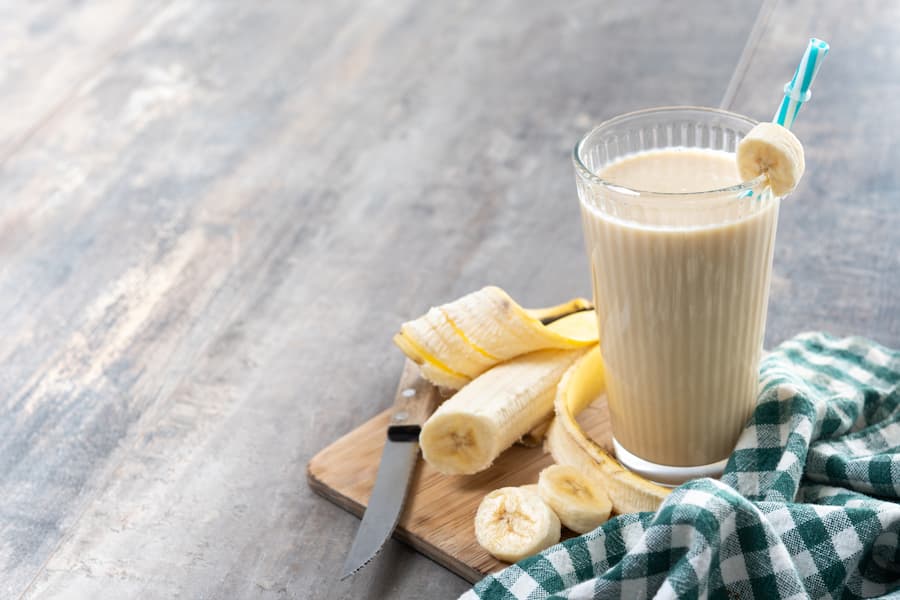
14. Homemade Banana Smoothie
Blend a banana with milk or a fortified plant-based alternative for a creamy smoothie. Add a spoonful of plain yogurt or a handful of spinach for extra nutrition.
Make it easier: pour it into a leak-proof bottle and keep it cold. Smoothies are handy on busy mornings, though whole fruit is also a great option with even less prep.
15. Roasted Chickpeas
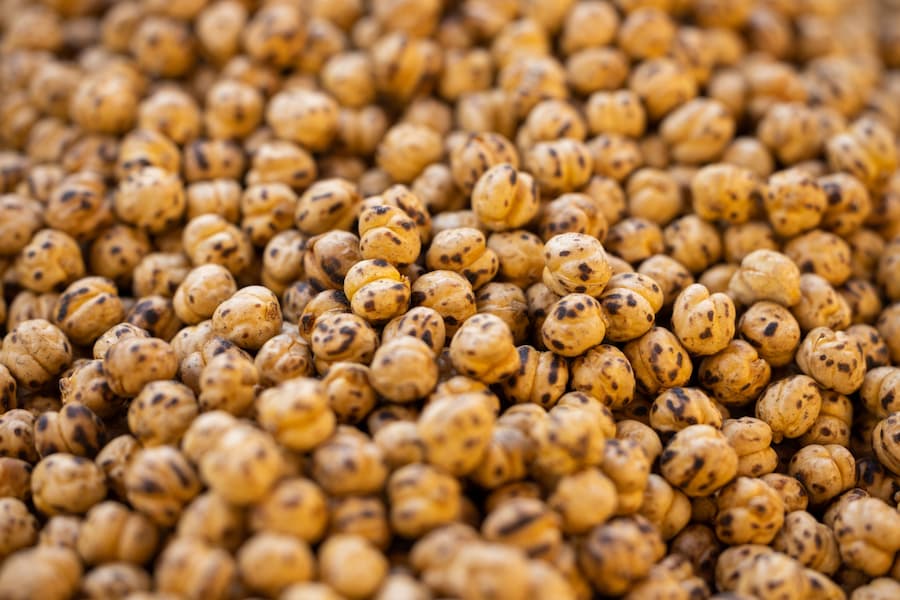
Roasted chickpeas are crunchy, savory, and full of plant-based protein and fiber. Drain and dry them well, toss with a little oil and mild spices, roast until crisp, and let them cool fully before packing.
Make it safer: roasted chickpeas suit older children who can chew them well. For younger kids, offer a softer choice like hummus instead, since hard chickpeas can be a choking hazard.
A Simple Weekly Plan for Healthy School Snacks
If choosing every day feels like too much, a loose weekly plan takes the pressure off. Here is one example you can copy or change:
- Monday: apple slices with seed butter
- Tuesday: yogurt with berries
- Wednesday: whole-grain crackers and cheese
- Thursday: carrot and cucumber sticks with dip
- Friday: a banana oat cookie or mini muffin as a weekend treat
Repeating a simple rotation of healthy school snacks saves time at the store and in the kitchen, and it helps kids know what to expect.
How to Choose Packaged Healthy School Snacks
You do not have to make everything from scratch. On busy weeks, packaged options can work well when you read the label first. Look for a short ingredient list, whole foods near the top, and low added sugar. Check the serving size, because some small packages contain more than one serving.
Good packaged healthy school snacks include plain yogurt cups, cheese sticks, whole-grain crackers, unsweetened applesauce pouches, and bars made from oats, nuts, or seeds. Skip anything that lists sugar or syrup first, and always check for allergens.
How to Pack Healthy School Snacks
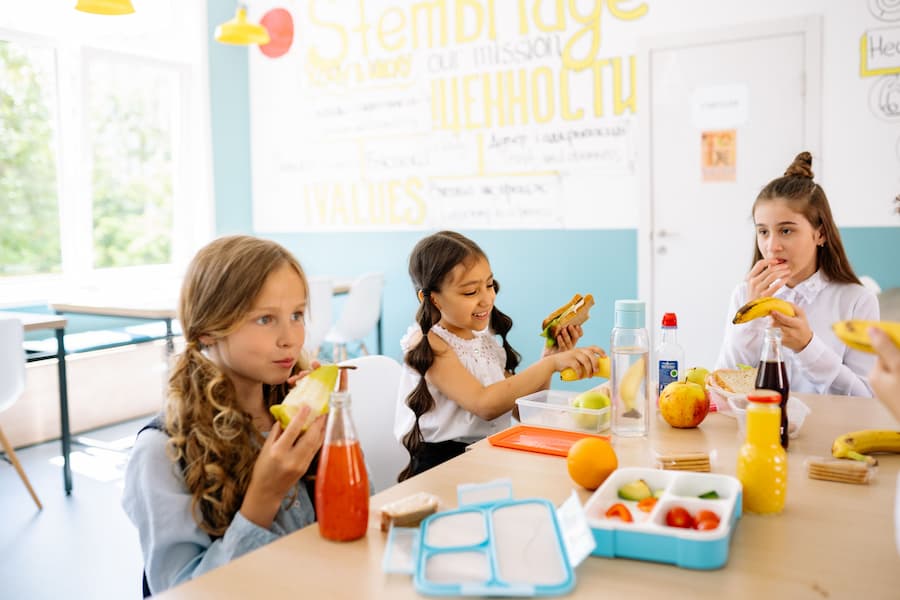
Smart packing makes healthy school snacks easier to prepare and safer to eat. These habits help most families:
- Plan ahead: pick three or four snacks on the weekend, then wash fruit, portion crackers, and bake muffins in advance.
- Use the right containers: leak-proof, divided boxes keep foods separate and stop everything from turning soggy.
- Keep cold foods cold: use an insulated lunch bag and an ice pack for yogurt, cheese, eggs, hummus, and smoothies.
- Mix textures and colors: pair something crunchy with something soft, and something sweet with something savory.
- Let kids choose: offer two nutritious options and let your child pick, which encourages them to eat what they packed.
- Follow school rules: check the school’s allergy and snack policies before you pack.
- Keep portions sensible: a snack should take the edge off hunger, not replace lunch.
Want more ideas for the rest of the day? Browse our guide to healthy kids snacks and our list of protein snacks that keep you full. If you are packing for a younger child, our healthy toddler snacks include softer options, and our guide to healthy snack bars shows how to pick a good grab-and-go bar.
Common Mistakes to Avoid
Packing the same snack every day. Repeating the same food can get boring fast. Rotate flavors, colors, and textures through the week so healthy school snacks stay exciting.
Adding too much sugar. Sweet snacks can fit into a balanced diet, but try not to rely on candy, sugary drinks, and heavily sweetened packaged foods every day. Read labels and check added sugar.
Ignoring food allergies. Always read ingredient labels and follow your school’s allergy rules. Never assume a snack is safe for every child in the classroom.
Forgetting food safety. Yogurt, cheese, eggs, and hummus need cool temperatures. Use an insulated bag and ice packs whenever a snack is perishable.
Choosing snacks that are hard to eat. Think about your child’s age and chewing ability. Avoid choking hazards such as whole grapes, hard raw vegetable chunks, whole nuts, and popcorn for young children, and cut foods into safe shapes and sizes.
Frequently Asked Questions
What are the best healthy school snacks for picky eaters? Start with foods your child already likes, then add one new item at a time. Dips, fun shapes, and small portions make unfamiliar foods less intimidating. Yogurt with fruit, mini sandwiches, and banana oat cookies are often easy wins.
How many snacks does a school-age child need? It depends on age, appetite, and activity level. Many children do well with one snack at school and another after school. Let your child’s hunger cues guide you, and ask your pediatrician if you have questions.
Can I prepare healthy school snacks the night before? Yes. Fruit salad, cut vegetables, energy bites, hard-boiled eggs, and muffins all keep well overnight in the refrigerator. Add delicate items like banana slices or crackers in the morning so they stay fresh and crisp.
Are store-bought snacks okay for school? Yes, in moderation. Choose simple healthy school snacks with whole-food ingredients and low added sugar, and compare labels before you buy.
What snacks are safe for schools that ban nuts? Choose seed butters if your school allows them, or lean on yogurt, fruit, cheese, eggs, hummus, and whole-grain crackers. Always check the school’s rules and read every label.
Final Thoughts
Packing healthy school snacks does not have to be stressful. With a little planning, a few reliable favorites, and some attention to food safety, you can fill your child’s lunchbox with snacks that are nutritious, colorful, and enjoyable. From fruit and yogurt to homemade oat cookies and mini sandwiches, there is an idea here for every taste and schedule.
Start with two or three snacks your child already enjoys, then slowly introduce new foods. Aim for variety, sensible portions, and a positive approach to food rather than expecting every snack to be perfect. Every child has different preferences and needs, so keep what works and skip what does not.
With these healthy school snacks in your rotation, snack time can become one of the easiest parts of the school day.