Walk into any grocery store and you will find a whole aisle of snack bars with bright wrappers and big promises like “high protein,” “all natural,” and “guilt-free.” But here is the truth: not every bar on that shelf is good for you. Some are just candy bars in disguise, packed with sugar, syrups, and artificial additives. Knowing how to spot truly healthy snack bars can save you money and keep your energy steady all day.
In this guide, you will learn what makes healthy snack bars worth eating, how to read a nutrition label in under a minute, which ingredients to look for and which to avoid, and how to make your own bars at home with simple pantry staples. Whether you need a quick bite before a workout, something to toss in your bag for the office, or a treat for the lunchbox, this article has you covered.
What Are Healthy Snack Bars?
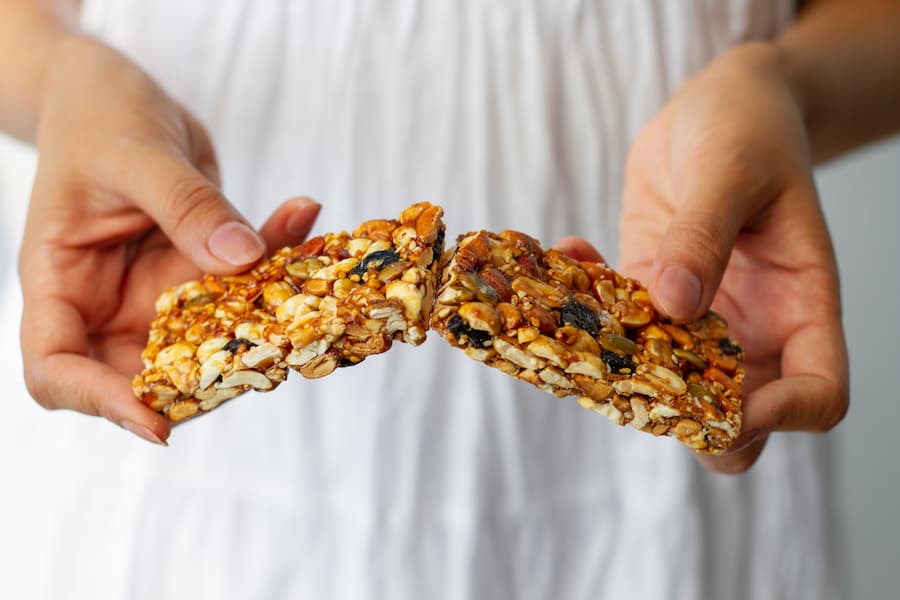
Healthy snack bars are portable, ready-to-eat bars made mostly from whole-food ingredients such as oats, nuts, seeds, dried fruit, and natural binders like dates or nut butter. A good bar gives you a balanced mix of fiber, protein, and healthy fats, with only a small amount of added sugar.
Marketing words like “natural,” “wholesome,” and “energy” are not a guarantee of quality. A bar can use them and still contain more sugar than a cookie. That is why the real information is always on the back of the package, in the nutrition facts and the ingredient list.
Why Choose Healthy Snack Bars Over Chips and Cookies?
Snacks are a normal part of life, and the right ones help you more than you might think. Here is why so many people reach for a bar when hunger strikes:
- Convenience: They need no refrigeration, no prep, and no cutlery. Toss one in your bag, car, or desk drawer and you are ready for a busy day.
- Portion control: Each bar is a set serving, which makes it easier to avoid mindless overeating straight from a big bag.
- Steady energy: Fiber, protein, and healthy fats digest slowly, so you avoid the quick spike and crash that sugary snacks often cause.
- Better nutrition: A well-made bar can add iron, magnesium, and vitamin E from nuts, seeds, and oats.
- Budget-friendly: Homemade bars often cost much less per piece than store-bought ones.
How to Read the Label on a Snack Bar
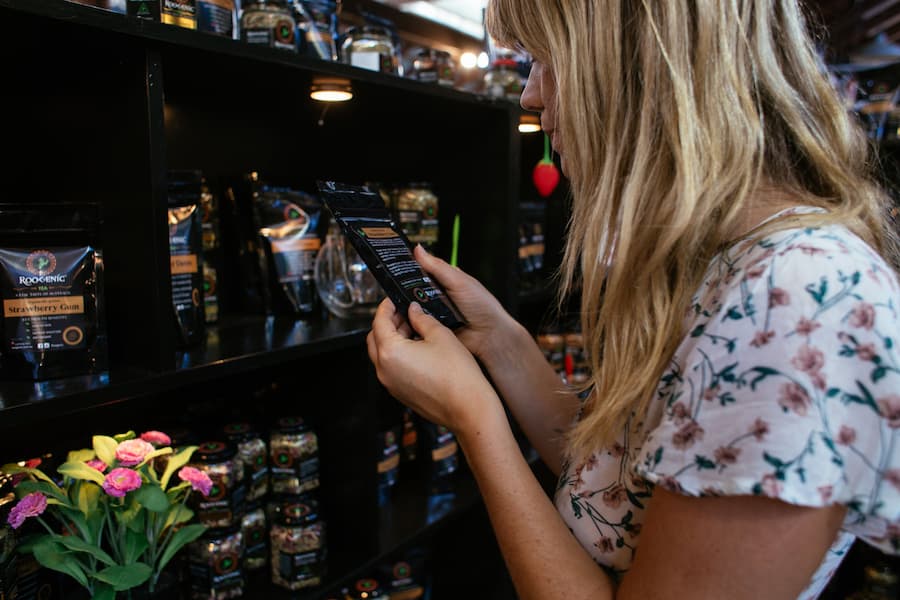
The label is where the truth lives. These five quick checks work on every brand, and they will help you sort real healthy snack bars from clever packaging. Not sure what the numbers mean? The FDA has a simple guide to understanding the Nutrition Facts label.
1. Start with the Ingredient List
Ingredients are listed from the largest amount to the smallest, so the first three matter most. Look for whole foods like oats, almonds, dates, peanuts, or seeds. If sugar, glucose syrup, or any other syrup shows up first, put the bar back. A short list of five to eight ingredients you can recognize is a very good sign.
2. Watch the Added Sugar
Dates and fruit add natural sugar that comes packed with fiber. Added sugar is different. Check the “Added Sugars” line on the nutrition facts panel and aim for less than 8 grams per bar, with lower being better. Sugar also hides under many names, including cane syrup, brown rice syrup, corn syrup, maltodextrin, and fruit juice concentrate.
3. Look for Fiber
Fiber keeps you full and supports digestion. Try to find at least 3 grams of fiber per bar. Oats, chia seeds, flaxseeds, nuts, and dried fruit are great natural sources, so a bar made from these usually scores well here.
4. Check the Protein
Protein helps you feel satisfied for longer. For a snack-sized bar, 5 to 10 grams is a solid range. Bars with 20 grams or more are closer to a mini meal, so choose them only when that is what you actually need.
5. Pay Attention to Fat and Calories
Fat from nuts and seeds is filling and nutritious. Be careful with bars that list palm oil, hydrogenated oils, or a sugary coating high on the ingredient list. Most snack bars land between 150 and 250 calories, which is a good range for a snack. Also check the serving size, because some packages contain two servings, which doubles everything on the label.
The 30-Second Shopping Checklist
Keep this list in mind when shopping for healthy snack bars:
- The first ingredient is a whole food, not sugar or syrup
- Five to eight ingredients, all of them recognizable
- Less than 8 grams of added sugar
- At least 3 grams of fiber
- 5 to 10 grams of protein
- No hydrogenated oils or candy-style coating
Ingredients to Look For in Healthy Snack Bars
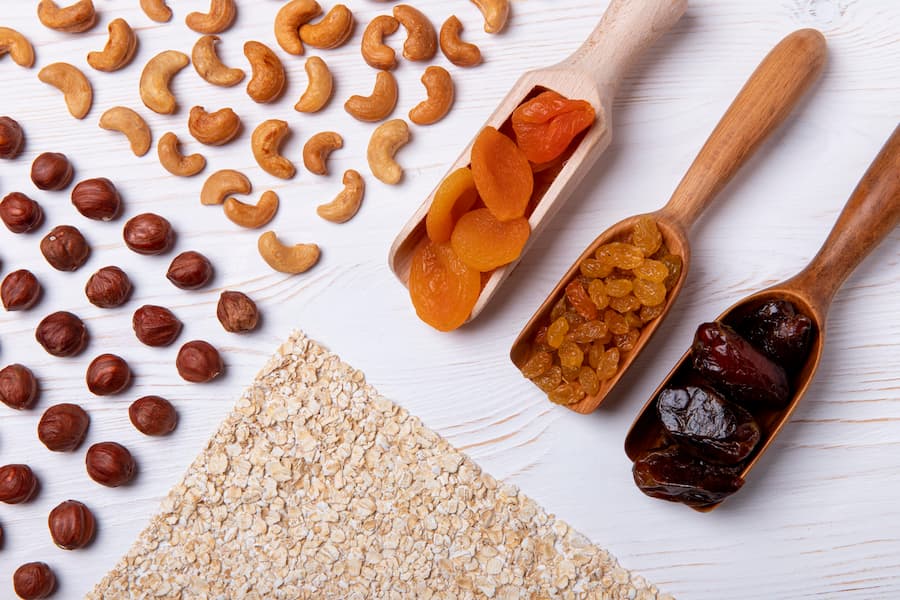
The best healthy snack bars are built from simple, recognizable foods. Look for these on the ingredient list:
- Whole grains: rolled oats, quinoa flakes, or puffed brown rice
- Nuts: almonds, walnuts, cashews, or peanuts
- Seeds: chia, flax, pumpkin, or sunflower seeds
- Dried fruit: dates, raisins, or unsweetened apricots
- Natural binders: nut butter, mashed banana, or date paste
- Flavor boosters: cinnamon, vanilla, unsweetened cocoa, or a few dark chocolate chips
Ingredients to Avoid
Some ingredients turn a decent bar into a dessert. Watch out for these:
- Sugar or syrup in the first three ingredients
- Hydrogenated or partially hydrogenated oils, which are a source of trans fat
- Artificial colors and flavors, especially in bars made for kids
- Large amounts of sugar alcohols such as maltitol or sorbitol, which can upset the stomach
- Candy-style coatings made mostly of sugar and palm oil
- Long lists of unfamiliar chemical names
The more of these you spot, the less likely the bar belongs on your list of healthy snack bars.
Types of Healthy Snack Bars
Not all bars are built the same. Here are the most common types of healthy snack bars and what each one is best for.
Oat and Granola Bars
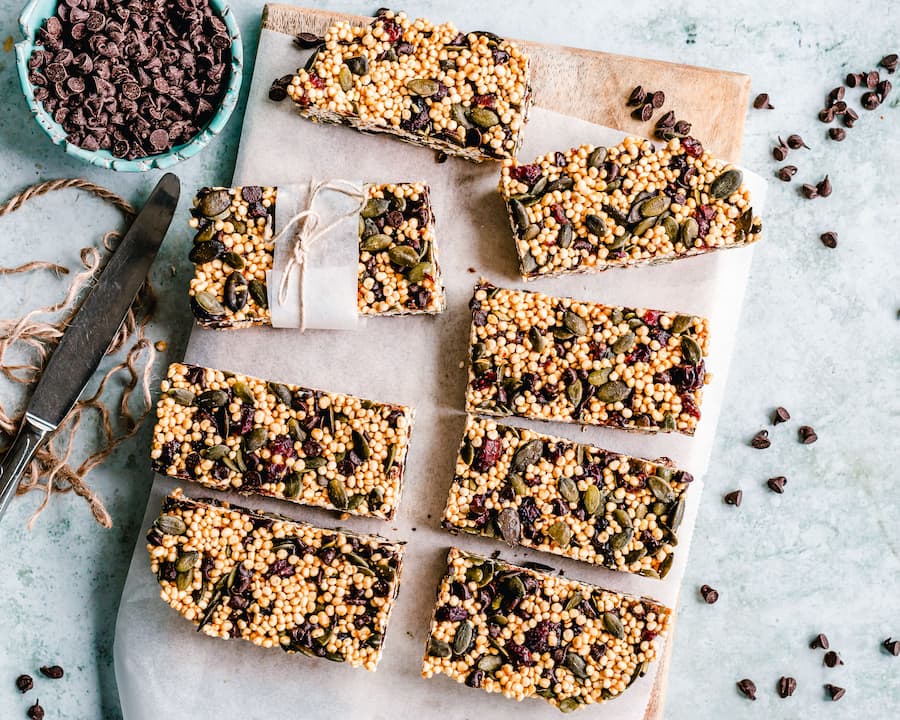
Chewy, filling, and great for breakfast on the go. Look for versions made with whole oats and less than 8 grams of added sugar, because many granola bars are closer to cookies than snacks.
Protein Bars
Made with whey, pea, soy, or nut protein, these suit people who are active or need a longer-lasting snack. Check for high sugar and sugar alcohols. For more ideas beyond bars, browse these protein snacks that keep you full.
Fruit and Nut Bars
These are often just dates, nuts, and a little fruit, which makes for a very short ingredient list. They are naturally sweet and energy-dense, so one bar is usually enough.
Seed Bars
Made with pumpkin, sunflower, and sesame seeds, they are a handy nut-free choice for schools and offices. Seeds also bring healthy fats, and if you enjoy this style, our list of heart healthy snacks has even more ideas.
Soft Bars for Kids
Smaller portions, a soft texture, and low sugar are what to look for. Avoid bars with whole nuts or hard chunks for toddlers, since these can be a choking risk. For more kid-friendly ideas, see our healthy kids snacks.
How to Choose the Right Bar for Your Goal
Healthy snack bars are not one-size-fits-all. Match the bar to the moment:
- Weight management: pick a bar with 150 to 200 calories, at least 3 grams of fiber, and 5 grams or more of protein.
- Before a workout: choose an oat and date bar about 30 to 60 minutes ahead for quick, steady fuel.
- After a workout: go for 10 to 20 grams of protein to support recovery.
- Work or school: look for nut-free bars with no coating that melts in your bag.
- Kids: choose soft, low-sugar bars free of whole nuts.
- Managing blood sugar: talk to your doctor or dietitian, and always check the label for added sugar and total carbohydrates.
Easy Homemade Healthy Snack Bars
Making your own healthy snack bars is easier than most people think, and you control every ingredient. These three recipes need no special equipment and take less than 30 minutes of active time.
Recipe 1: Banana Oat Bars (Baked)
Makes 10 bars. Prep 10 minutes. Bake 25 minutes.
Ingredients:
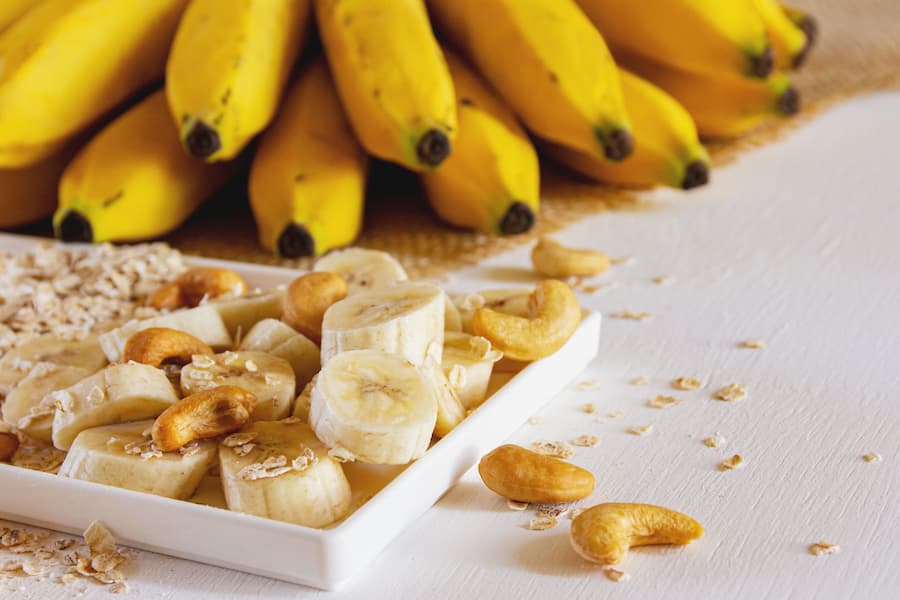
- 2 ripe bananas, mashed
- 2 cups rolled oats
- 1/2 cup peanut or almond butter
- 1/4 cup chopped walnuts or almonds
- 1/4 cup raisins or dark chocolate chips
- 1 teaspoon cinnamon
- A pinch of salt
Steps:
- Preheat the oven to 175°C (350°F) and line an 8-inch square pan with parchment paper.
- Mix the mashed bananas and nut butter until smooth.
- Stir in the oats, nuts, raisins, cinnamon, and salt.
- Press the mixture firmly into the pan.
- Bake for 22 to 25 minutes, until the edges are golden.
- Cool completely before cutting into 10 bars.
Recipe 2: No-Bake Date and Nut Bars
Makes 8 bars. Prep 15 minutes. Chill 1 hour.
Ingredients:
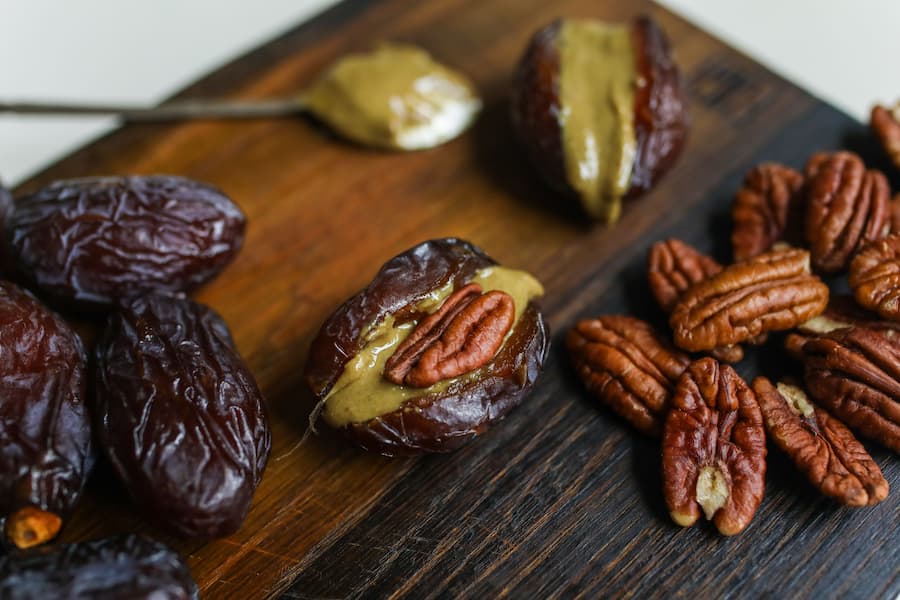
- 1 cup pitted dates (soak in warm water for 10 minutes if they feel hard)
- 1 cup mixed nuts, such as almonds and cashews
- 1/2 cup rolled oats
- 2 tablespoons chia seeds
- 1 tablespoon nut butter
- A pinch of salt
Steps:
- Blend the dates in a food processor until they form a sticky paste.
- Add the nuts, oats, chia seeds, nut butter, and salt, then pulse until the mixture is chunky.
- Press firmly into a lined pan.
- Chill for one hour, then cut into bars.
Recipe 3: Peanut Butter Seed Bars
Makes 10 bars. Prep 10 minutes. Chill 1 hour.
Ingredients:
- 1 1/2 cups rolled oats
- 1/2 cup peanut butter
- 1/3 cup maple syrup or honey
- 1/4 cup pumpkin seeds
- 1/4 cup sunflower seeds
- 2 tablespoons ground flaxseed
- 1 teaspoon vanilla extract
Steps:
- Warm the peanut butter and syrup gently over low heat until smooth.
- Stir in the vanilla, then mix in the oats, seeds, and flaxseed.
- Press into a lined pan and chill for one hour.
- Cut into bars and enjoy.
Note: Do not give honey to babies under one year old. Use maple syrup instead.
Tips for Better Homemade Bars
- Press the mixture firmly with the back of a spoon so the bars hold together.
- Line the pan with parchment paper so you can lift the whole slab out easily.
- Swap nuts for seeds to make the recipes nut-free.
- Chill before cutting for clean, neat edges.
How to Store Healthy Snack Bars
Homemade healthy snack bars last longer when you store them correctly. Baked bars keep in an airtight container at room temperature for up to 3 days, in the fridge for up to a week, and in the freezer for up to 3 months. No-bake bars should always stay in the fridge. For grab-and-go convenience, wrap each bar in parchment paper before freezing.
Store-bought bars should be kept in a cool, dry place, away from heat that can melt coatings. Always check the expiry date before eating.
Common Mistakes to Avoid
- Believing the health halo. A bar with “organic” or “natural” on the front can still be full of sugar. Even snacks that sound light, like pretzels, are not always as healthy as they look.
- Ignoring the serving size. Some bars are sold as two servings, so the real sugar and calories are double what you first see.
- Choosing by protein alone. A high protein number means little if the bar is also loaded with sugar.
- Using bars instead of real food. Even the best healthy snack bars are still snacks, not a replacement for fruit, vegetables, and balanced meals.
- Skipping water. High-fiber bars work best when you drink enough water through the day.
When Is the Best Time to Eat a Snack Bar?
Healthy snack bars work best when they fill a real gap between meals. Eat one mid-morning or mid-afternoon, about two to three hours after a meal, to avoid an energy dip. They are also handy 30 to 60 minutes before exercise, or during a long trip when real food is hard to find. Try not to eat one right before dinner, because it may spoil your appetite for a full meal.
Frequently Asked Questions
Are healthy snack bars good for weight loss?
They can help if a bar keeps you from overeating later, but calories still count. Choose bars with fiber and protein, keep to one serving, and treat the bar as a snack rather than an extra meal.
How much sugar should a snack bar have?
Aim for less than 8 grams of added sugar per bar. Bars made with dates or dried fruit will also show natural sugar, so look at the “Added Sugars” line to tell the difference.
Are protein bars the same as healthy snack bars?
Not always. Some protein bars are closer to candy bars, with sugar alcohols, syrups, and long ingredient lists. Use the same label checks on any bar, no matter what the front says.
Can kids eat healthy snack bars?
Yes, in moderation. Choose soft, low-sugar bars without whole nuts or hard pieces, and always have your child sit down while eating. For children under four, avoid whole nuts and large chunks.
How many snack bars can I eat in a day?
One bar a day is fine for most people. If you eat more, count them as part of your daily calories and make sure real meals stay your main source of nutrition.
Are homemade healthy snack bars better than store-bought?
Usually, yes, because you control the sugar, the oils, and the portion size. A well-chosen store-bought bar is still a good option when you are short on time.
Final Thoughts
The best healthy snack bars have short ingredient lists, some fiber and protein, and low added sugar. Next time you shop, skip the front of the wrapper and read the back. And when you have a free hour, try one of the homemade recipes above.
Healthy snack bars do not have to be complicated, expensive, or boring. With a little label know-how, you can pick or bake bars that keep you full, focused, and happy until your next meal.