Fruit snacks healthy enough to eat every day should be easy to find, yet the snack aisle makes it surprisingly hard. Colorful pouches shout “made with real fruit,” but a quick look at the label often tells a different story. Sugar, corn syrup, and artificial colors show up long before any actual fruit does.
The good news is that you do not have to give up sweet, chewy, fun snacks. You just need to know what to look for. This guide explains what counts as a truly healthy fruit snack, how to read a label in about a minute, and which 15 options are worth buying or making. You will also get three simple recipes, portion tips for every age, and answers to common questions.
If you are building a full snack routine, you may also like our guides to healthy snack bars and healthy kids snacks.
Key Takeaways
- The best fruit snacks healthy for daily eating list fruit as the first (and often only) ingredient.
- Gummy-style packs are closer to candy than to fruit, so treat them as an occasional treat.
- Aim for 0 grams of added sugar and at least 1 to 3 grams of fiber per serving.
- Dried fruit is healthy in small portions because its sugar is concentrated.
- Homemade versions give you full control over what goes in.
What Are “Fruit Snacks,” Really?
People use the phrase in two very different ways, and that confusion causes most of the trouble.
The first meaning is any snack made from fruit. That includes fresh fruit, frozen fruit, dried fruit, freeze-dried fruit, fruit leather, and unsweetened applesauce.
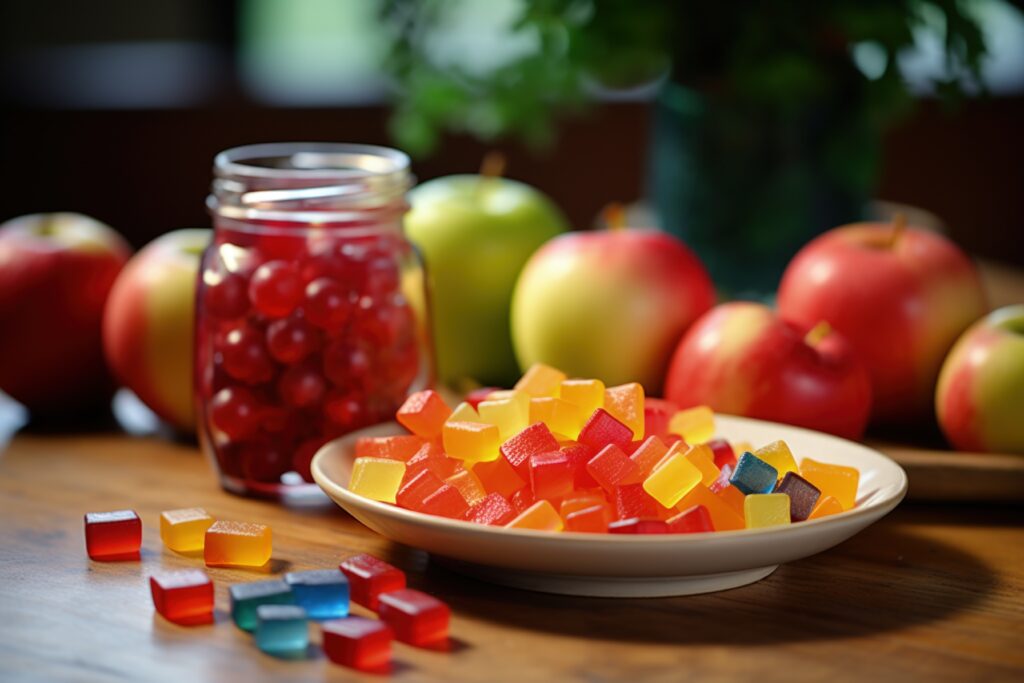
The second meaning is the packaged, gummy-style candy sold in small pouches. These are usually made from sugar, corn syrup, modified starch, gelatin or pectin, flavoring, and coloring. Many contain a little fruit puree or juice concentrate, which is why the front of the box sounds healthier than the product is.
When we talk about fruit snacks healthy for everyday life, we mean the first group, plus the few packaged products that are made mostly from real fruit.
Are Fruit Snacks Healthy? The Honest Answer
It depends entirely on what is inside.
A small pouch of gummy fruit snacks often has around 80 calories and 10 to 12 grams of sugar, nearly all of it added. It offers little fiber, almost no protein, and few vitamins. The sticky texture also clings to teeth, which can raise the risk of cavities.
Whole fruit is a different story. It delivers fiber, water, vitamins, minerals, and plant compounds. Fiber slows digestion, helps you feel full, and keeps blood sugar steadier. That is why nutrition experts keep pointing people toward whole or lightly processed fruit.
According to the USDA’s MyPlate fruit guidelines, most adults need roughly 1.5 to 2 cups of fruit a day, and most of that should come from whole fruit. So the simple rule is this: the more a snack looks like real fruit, the better it usually is.
How to Read a Fruit Snack Label in 60 Seconds
Phrases like “natural,” “made with real fruit,” or “good source of vitamin C” tell you very little. Flip the pack over and check these four things.
1. The first ingredient. It should be a fruit such as apples, mango, strawberries, or dates. If the first ingredient is sugar, glucose syrup, or corn syrup, put it back.
2. Added sugars. Find the “Added Sugars” line on the nutrition panel. The best fruit snacks healthy for daily use have 0 grams. The American Heart Association recommends limiting added sugar to about 25 grams a day for most women and 36 grams for most men, and says children under two should avoid it.
3. Fiber. One to three grams per serving or more is a good sign that the fruit’s natural structure is still there.
4. A short ingredient list. If you cannot pronounce half of it, or you see artificial colors like Red 40 and Blue 1, choose something simpler.
A handy shortcut: if the ingredient list reads like a recipe you could make at home, it is probably a good pick.
15 Fruit Snacks Healthy Enough for Everyday Eating
These options are easy to find or make. The first few are the simplest all-round winners.
1. Apple slices with peanut butter. Fiber from the apple plus protein from the nut butter makes a filling pair. Keep the spread thin.
2. Frozen grapes. They taste like tiny sorbet bites. For young children, cut them lengthwise to lower choking risk.
3. Fresh berries. Strawberries, blueberries, and raspberries are high in fiber and relatively low in sugar.
4. Banana with cinnamon. Portable, simple, and rich in potassium.
5. Orange or mandarin segments. Juicy, easy to peel, and full of vitamin C.
6. Freeze-dried fruit. Strawberries, mango, and apples turn light and crunchy. Make sure fruit is the only ingredient.
7. Unsweetened dried fruit. Mango, apricots, and apples work well in small portions.
8. 100% fruit leather. Choose bars made only from fruit puree with no added sugar. They are chewy and travel well.
9. Unsweetened applesauce pouches. Great for busy mornings. Look for “no sugar added.”
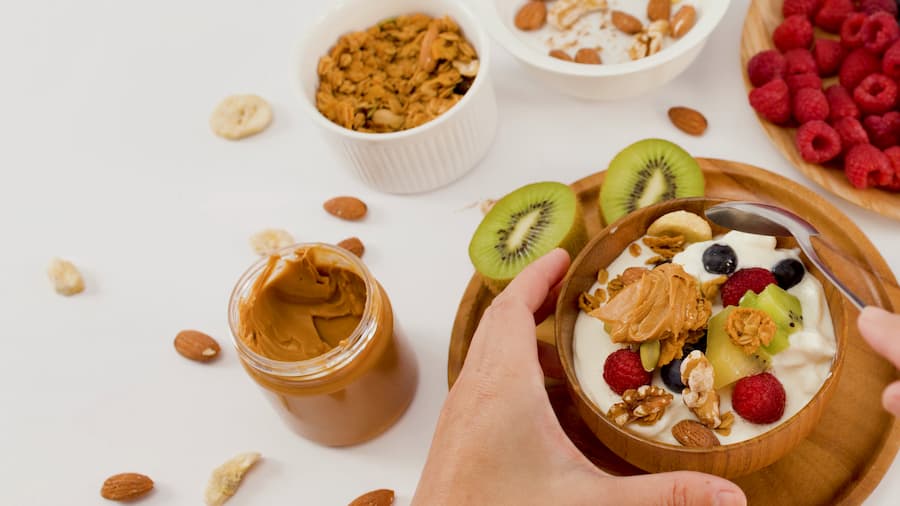
10. Greek yogurt with fruit. Plain yogurt topped with chopped fruit adds protein and calcium.
11. Melon cubes. Watermelon, cantaloupe, and honeydew are mostly water, so they hydrate while satisfying a sweet craving.
12. Pear slices with cheese. Mild pear sweetness pairs nicely with cheddar or mozzarella cubes.
13. Dates with almond butter. Naturally sweet and filling. One or two pieces is plenty because dates are calorie dense.
14. Fruit kebabs. Threading pineapple, grapes, and strawberries on a stick makes fruit feel like a treat.
15. Homemade fruit gummies. You get the chewy texture without the corn syrup. The recipe is just below.
Three Easy Homemade Fruit Snacks Healthy Recipes
Making your own is the best way to control the ingredients. Each recipe uses items from a regular grocery store.
1. Homemade Fruit Gummies
Ingredients: 1 cup strawberry puree (about 2 cups fresh strawberries, blended), 2 tablespoons unflavored gelatin, 1 tablespoon lemon juice, and 1 to 2 teaspoons honey if the fruit is very tart. Skip honey for children under one year.
Method: Warm the puree gently in a saucepan. Sprinkle the gelatin over the top and whisk until it dissolves. Stir in the lemon juice and honey, pour into a silicone mold, and chill for one hour. Store in the fridge for up to a week.
The sugar here comes only from fruit, which makes these a far better choice than store-bought gummies.
2. Baked Apple Chips
Ingredients: 2 crisp apples and a pinch of cinnamon.
Method: Slice the apples very thin, lay them on a lined tray, and dust with cinnamon. Bake at 200°F (95°C) for about 90 minutes, flipping once, until dry and crisp. Cool completely, then store in an airtight container.
3. Frozen Yogurt Fruit Bites
Ingredients: 1 cup plain Greek yogurt and 1 cup diced fruit such as blueberries, mango, or peaches.
Method: Stir the fruit into the yogurt, spoon small mounds onto a parchment-lined tray, and freeze for two hours. Keep them in a freezer bag and eat straight from the freezer.
Dried Fruit and Fruit Leather: Healthy or Not?
Dried fruit can fit into a list of fruit snacks healthy for daily eating, but it needs some care. When water is removed, sugar and calories become concentrated, and it is easy to eat far more than you would of fresh fruit. MyPlate counts a quarter cup of dried fruit as about half a cup of fruit.
A few tips help:
- Choose dried fruit with no added sugar.
- Measure a portion instead of eating from the bag.
- Pair it with nuts or seeds to slow digestion.
- Drink some water afterward, because dried fruit sticks to teeth.
Fruit leather follows the same logic. The best ones list only fruit on the label. Others are mostly sugar with fruit flavor, so always check the ingredients.
Portion Guide by Age
Portion size matters even with healthy foods. Here is a rough guide for one snack.
- Toddlers (1 to 3 years): About 1/4 to 1/2 cup of soft, cut-up fruit. Avoid hard, round, or sticky foods that can cause choking.
- Children (4 to 8 years): Around 1/2 cup of fresh fruit, or 2 tablespoons of dried fruit.
- Teens and adults: About 1 cup of fresh fruit, or 1/4 cup of dried fruit.
For more age-friendly ideas, see our lists of healthy toddler snacks and healthy school snacks. The American Academy of Pediatrics also shares practical feeding advice at HealthyChildren.org.
Making Fruit Snacks Healthy and Fun for Kids
Kids often reach for gummy packs because they are colorful and sweet. You do not need to ban them, but you can make real fruit more exciting.
- Let them build it. Set out chopped fruit, yogurt, and a few crunchy toppings so children can assemble their own cup.
- Use cookie cutters. Star-shaped watermelon makes ordinary fruit feel special.
- Freeze it. Frozen banana slices and grapes feel like dessert.
- Add a dip. Yogurt with a drop of vanilla works well.
- Be a role model. Children copy what they see, so eat fruit together.
The goal is to make fruit snacks healthy and enjoyable so that they become a habit rather than a battle.
Fruit Snacks Before and After a Workout
Fruit is a handy source of quick carbohydrates. Before exercise, a banana or a few dates can give you energy without feeling heavy. After exercise, fruit paired with protein, such as berries with Greek yogurt, supports recovery. Using fruit snacks healthy for your routine can be as simple as keeping a banana in your gym bag.
Smart Buying and Storage Tips
- Shop in season. Seasonal fruit is usually cheaper and tastier.
- Use frozen fruit. It is often frozen soon after picking, so it keeps most of its nutrients. Choose bags with no added sugar.
- Wash before eating. Rinse fresh fruit under running water, even if you plan to peel it.
- Store properly. Keep berries dry in the fridge, bananas on the counter, and dried fruit in a sealed container.
- Pre-portion. Divide snacks into small containers on the weekend so healthy choices are ready when hunger hits.
Common Mistakes to Avoid
- Trusting the front of the package. Always read the ingredient list.
- Drinking fruit instead of eating it. Juice has far less fiber than whole fruit.
- Overeating dried fruit. It is small and sweet, so portions creep up.
- Skipping protein. Pairing fruit with nuts, cheese, or yogurt keeps you full longer.
- Assuming “organic” means low sugar. Organic gummies are still mostly sugar.
Frequently Asked Questions
Are gummy fruit snacks healthy?
Usually not. Most are high in added sugar and low in fiber, so treat them as candy rather than a fruit serving.
What are the best fruit snacks healthy for weight loss?
Fresh berries, apple slices, melon, and oranges are filling and low in calories. Pair them with a protein source to stay satisfied.
Is dried fruit a good snack?
Yes, in small portions. Pick unsweetened types and measure your serving.
Can toddlers eat fruit snacks?
Toddlers can enjoy soft, cut-up fresh fruit. Avoid sticky gummies and whole grapes, which are choking hazards.
How do I make fruit snacks healthy at home?
Blend fruit into a puree, add gelatin, and set it in molds. You can also bake apple chips or freeze yogurt fruit bites.
Is fruit leather healthy?
It can be, if the label shows only fruit and no added sugar.
Final Thoughts
You do not have to give up sweet, chewy, or fun snacks to eat well. Read labels, favor whole or lightly processed fruit, and watch your portions. Whether you pick a crisp apple, a handful of berries, or a batch of homemade gummies, the best fruit snacks healthy for your family are simple, real, and enjoyable.
Start with one change this week. Swap one pack of gummy snacks for fresh fruit or a homemade recipe from this guide, and notice how you feel.