Healthy kids snacks matter because kids get hungry often, and what they snack on makes a difference. Growing children need energy, protein, fiber, and vitamins between meals. But the snack aisle is full of sugary, salty, and heavily processed options.
This list of healthy kids snacks is simple, affordable, and easy to prepare. Most take less than 10 minutes, and many work well for school lunchboxes too.
What Makes Healthy Kids Snacks Truly Healthy?
A good kids’ snack usually has:
- Fiber from fruits, vegetables, or whole grains
- Protein from yogurt, eggs, cheese, nuts, or legumes
- Little added sugar and not too much salt
- A small portion so it doesn’t replace the next meal
A simple rule: try to combine two food groups, such as fruit with yogurt or whole-grain crackers with cheese. This keeps kids full longer. Use this rule whenever you plan healthy kids snacks for the week.
15 Healthy Snacks for Kids
Here are 15 healthy kids snacks you can make at home in minutes.
1. Apple Slices With Peanut Butter
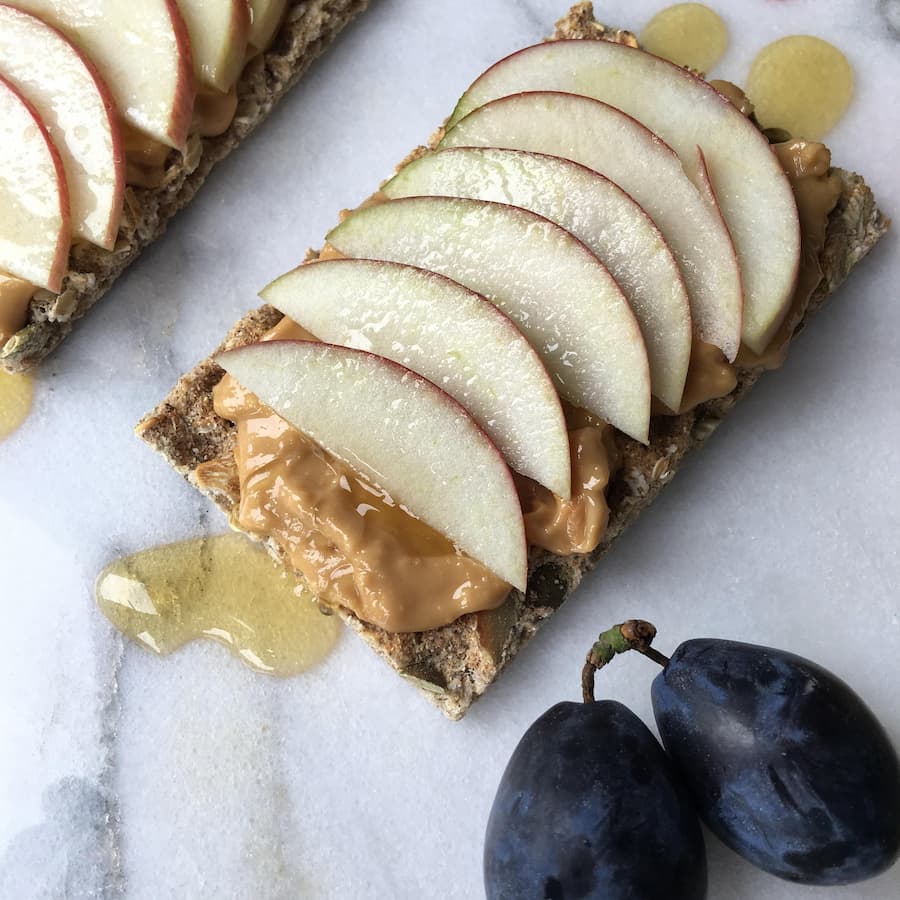
A classic. Spread a thin layer of peanut butter on apple slices. Skip this for children with nut allergies, and use sunflower seed butter instead.
2. Yogurt With Fresh Fruit
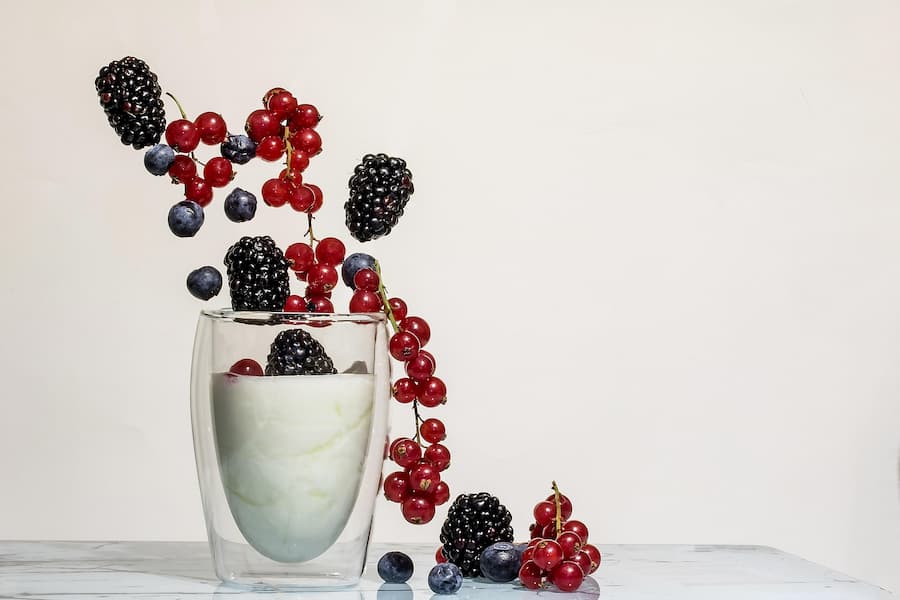
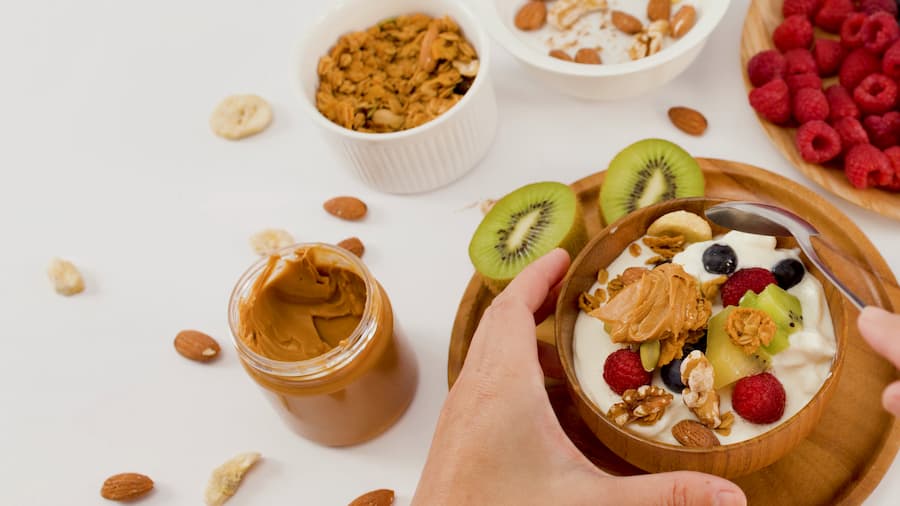
Choose plain yogurt and add banana, mango, or berries. Flavored yogurts often contain a lot of added sugar.
3. Banana Oat Pancakes (Mini)
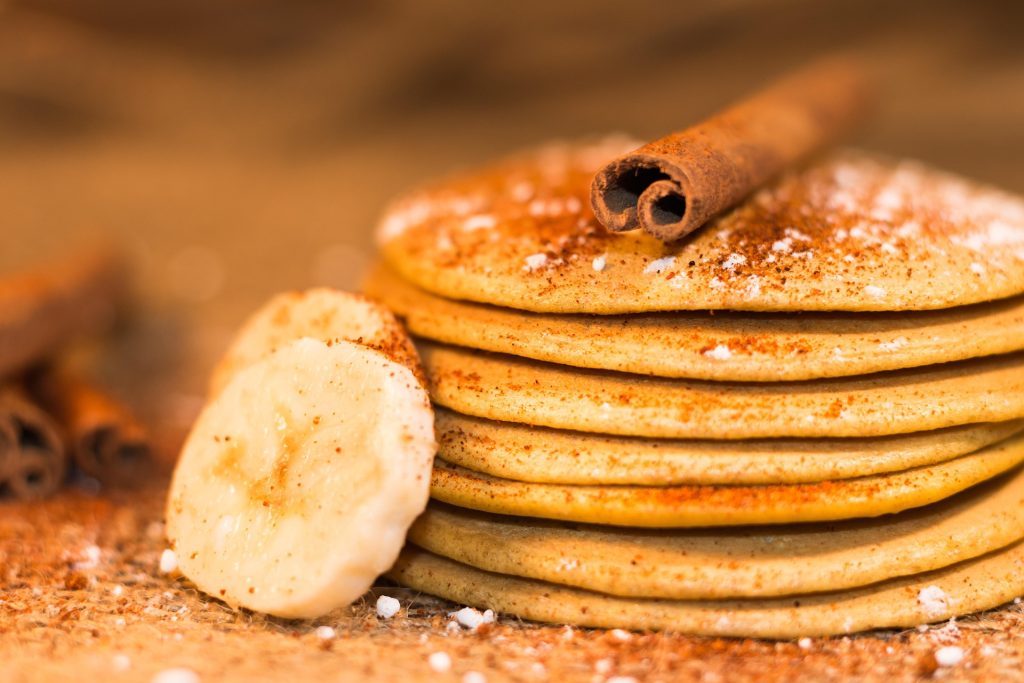
Mash one banana with oats and an egg, then cook small pancakes. They are soft, naturally sweet, and easy to hold.
4. Cheese and Whole-Grain Crackers
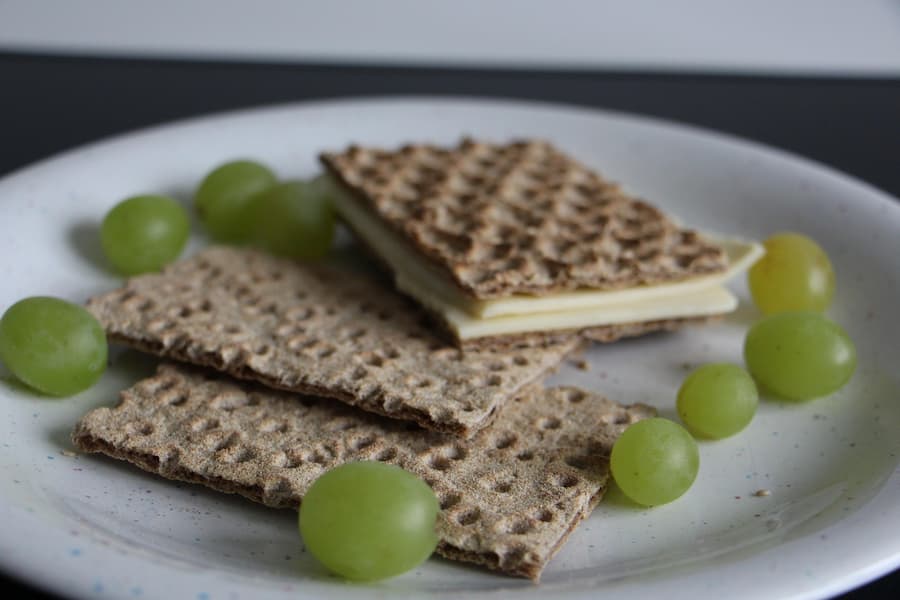
A small slice of cheese on whole-grain crackers gives calcium, protein, and fiber.
5. Boiled Eggs
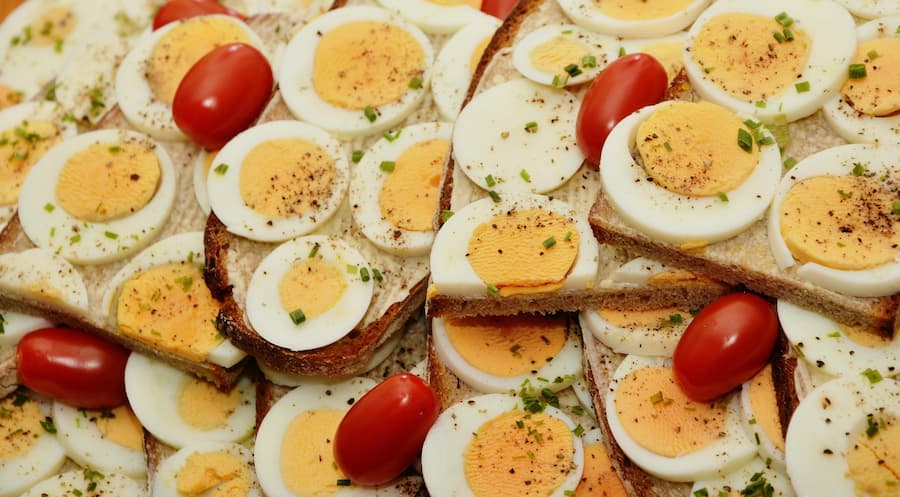
Easy to make ahead and great for lunchboxes. Cut into halves or quarters for younger kids.
Boiled eggs are one of the most filling healthy kids snacks you can prepare ahead.
6. Veggie Sticks With Hummus
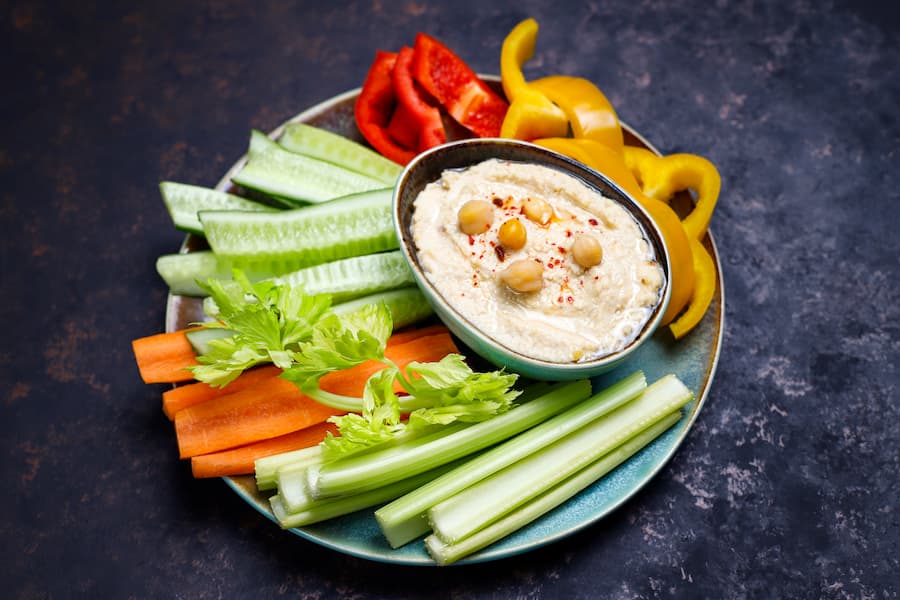
Carrot, cucumber, and bell pepper sticks with a small bowl of hummus. Dipping makes vegetables more fun.
7. Homemade Popcorn
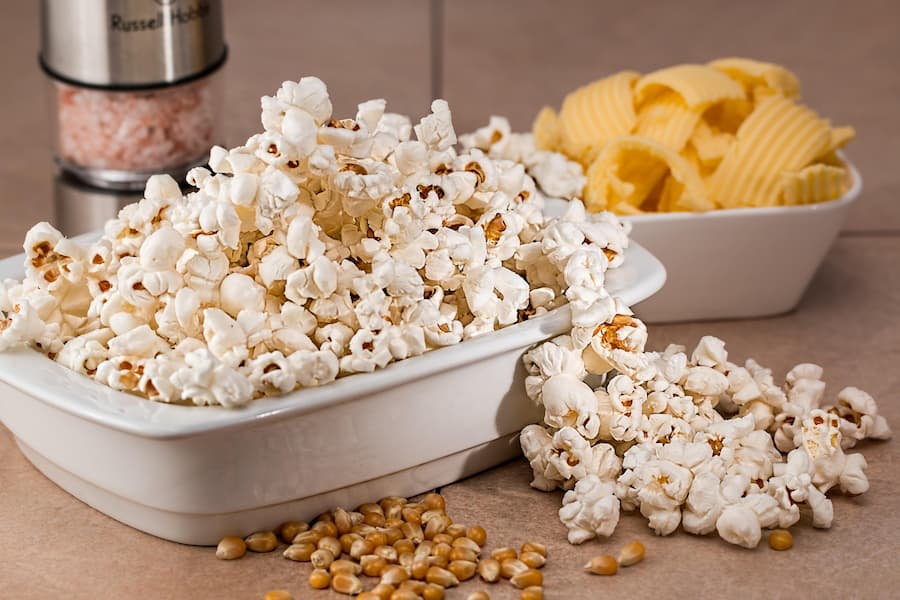
Air-popped popcorn is a whole grain. Add a tiny pinch of salt or cinnamon. Do not give popcorn to children under 4 years old because it is a choking hazard.
8. Fruit Smoothie
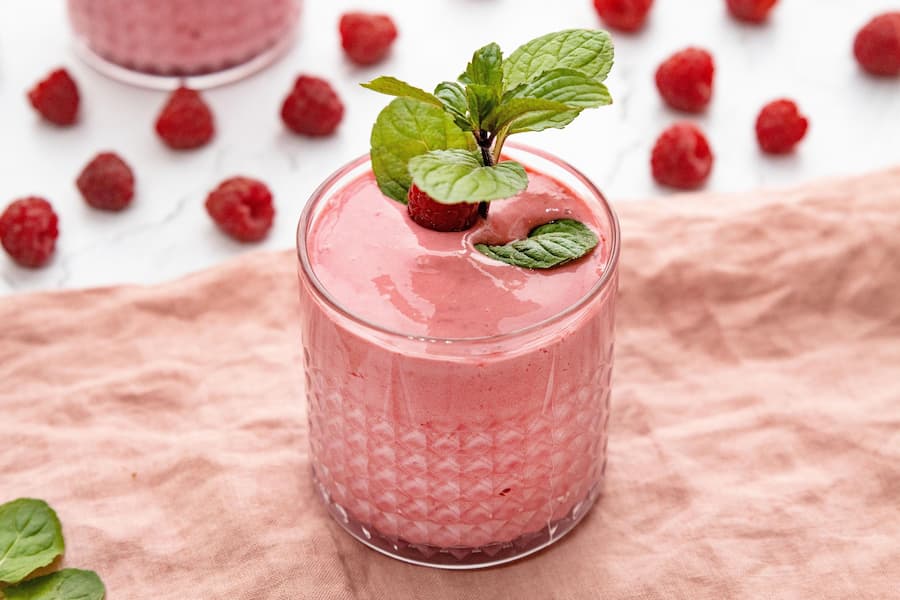
Blend milk or yogurt with banana and berries. You can sneak in a handful of spinach, and most kids won’t notice.
9. Homemade Oat and Banana Cookies
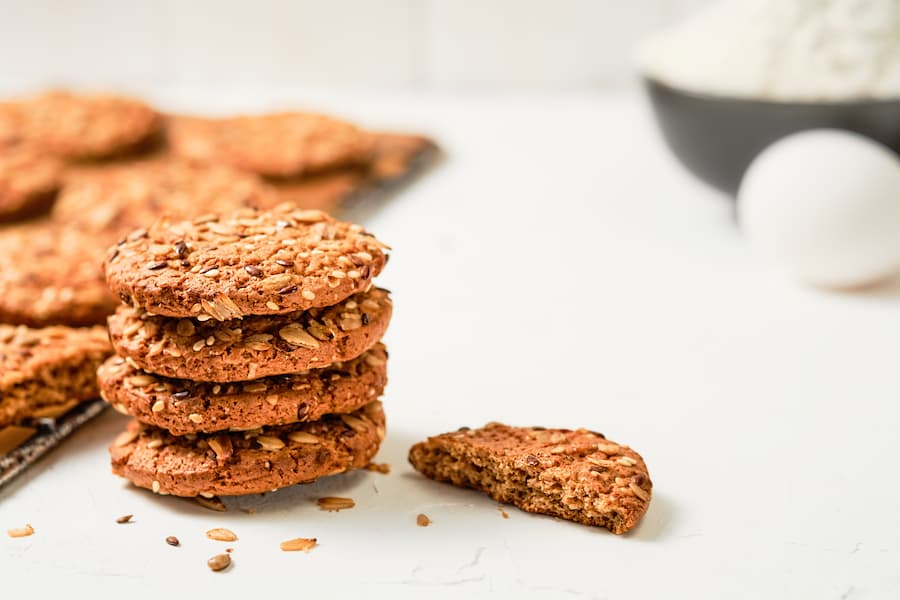
Mix mashed banana with oats and a few raisins, then bake. No added sugar is needed.
10. Sweet Potato Wedges
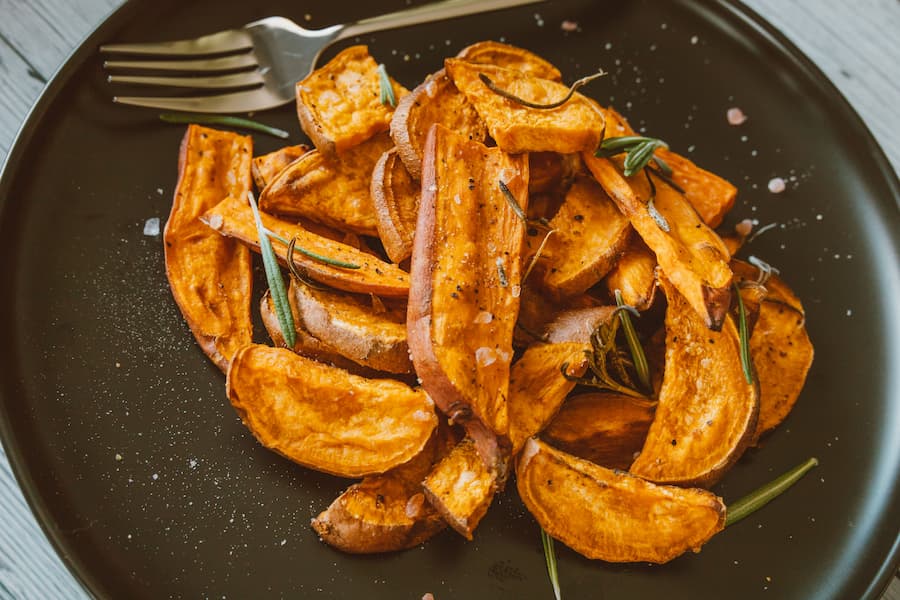
Bake sweet potato wedges with a little oil. They are rich in fiber and vitamin A.
11. Whole-Grain Mini Sandwiches
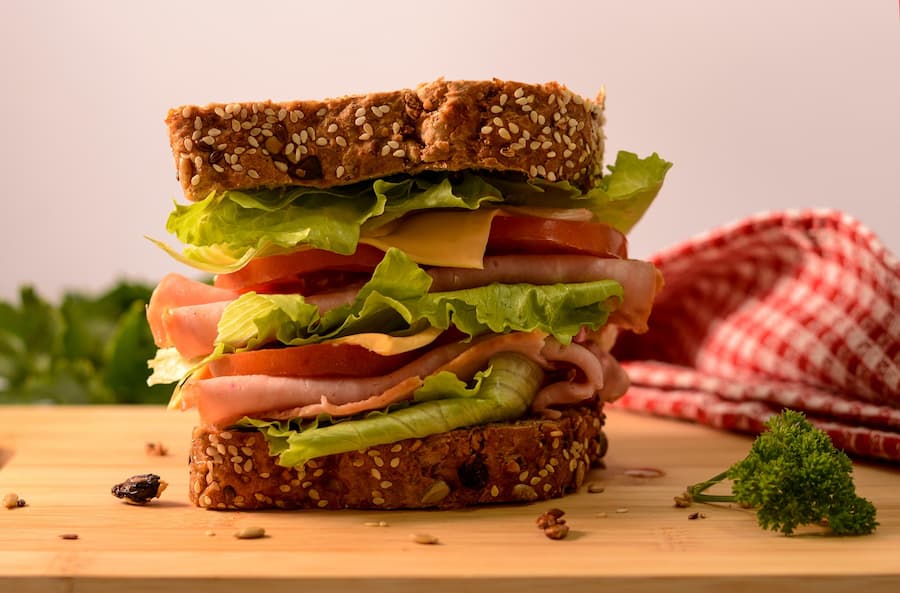
Cut a sandwich into small shapes using cookie cutters. Fillings can include cheese, egg, or cucumber.
12. Frozen Yogurt Bites
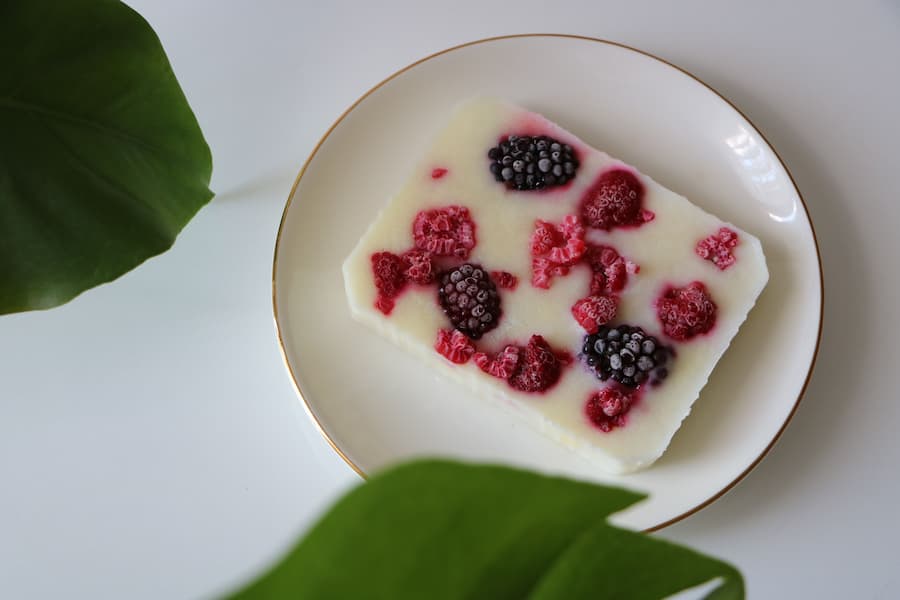
Drop small spoonfuls of yogurt onto a tray, add a berry on top, and freeze. A cool treat for hot days.
13. Roasted Chickpeas
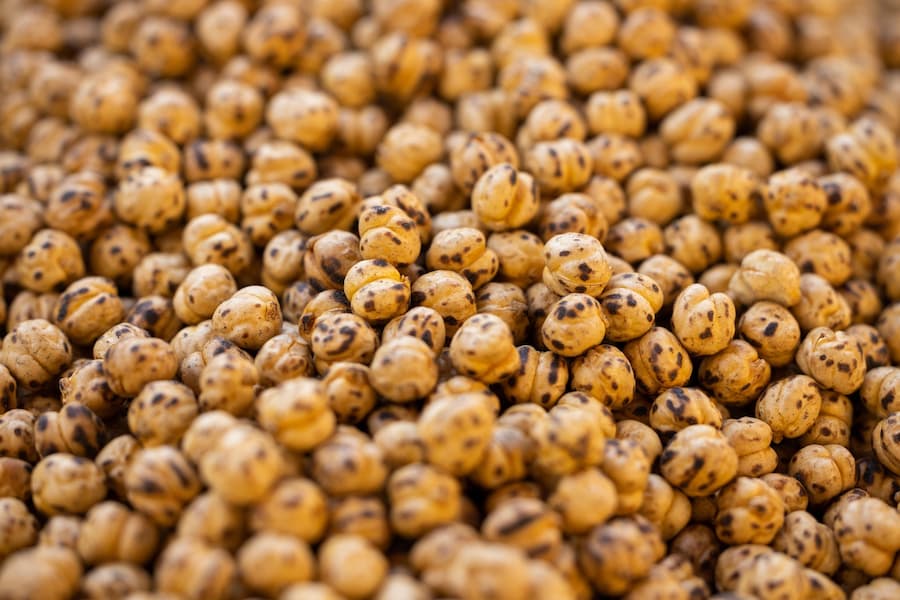
Crunchy and full of protein. Roast with a little oil and a mild spice. Not suitable for very young children because hard foods can be a choking risk.
14. Fresh Fruit Skewers
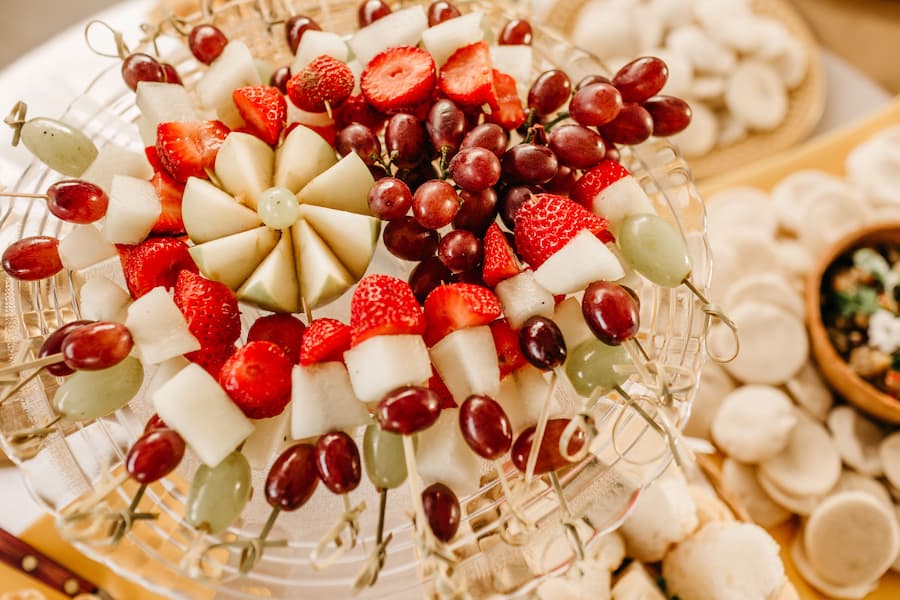
Thread grapes (cut in half for young kids), melon, and strawberries onto a skewer or serve in a cup. Remove sharp skewer tips for small children.
15. Dates With Nut Butter
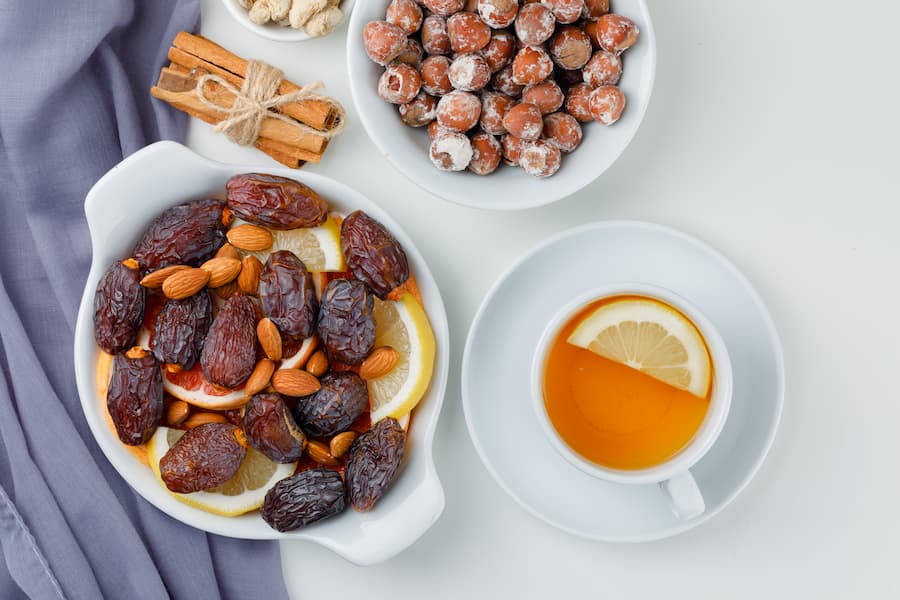
Pitted dates filled with a little nut butter make a sweet, energy-rich snack. Keep portions small because dates are high in natural sugar.
Healthy Snack Ideas for School Lunchboxes
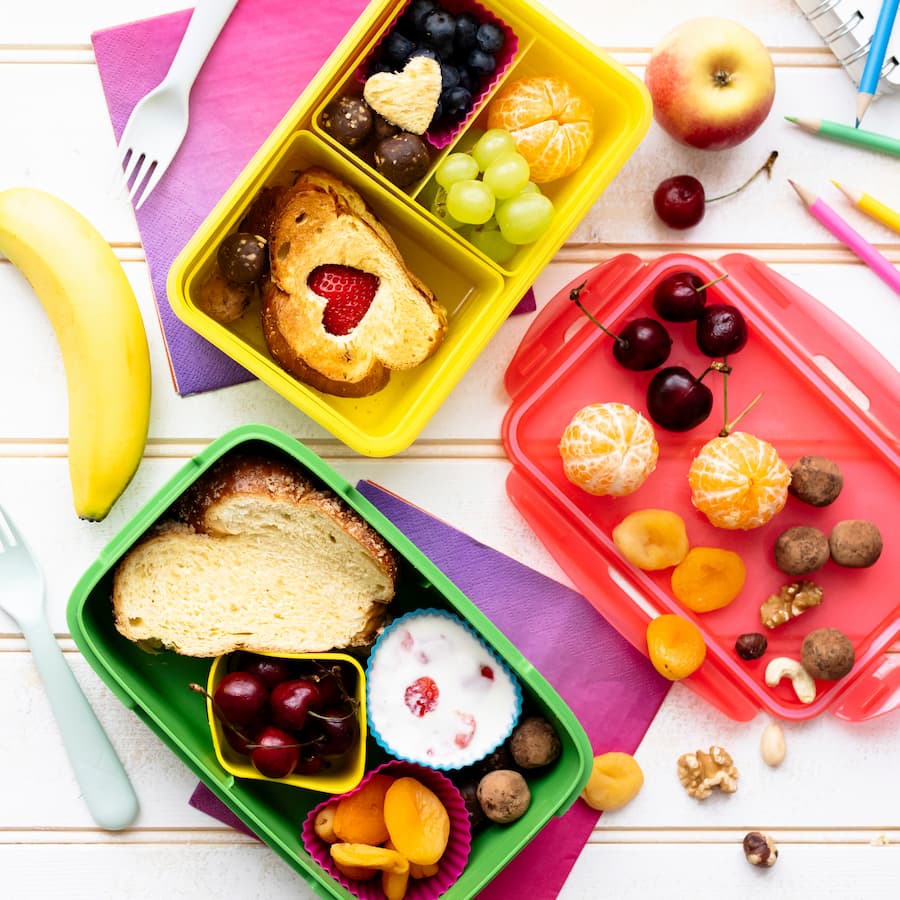
Pick snacks that stay fresh without a fridge:
- Whole-grain crackers and cheese cubes
- Boiled eggs (in an insulated pouch with an ice pack)
- Fresh fruit like apples, bananas, or grapes
- Homemade oat cookies
- Carrot sticks and a small container of hummus
How to Handle Picky Eaters
- Offer small portions. Large servings can feel overwhelming.
- Let kids choose. Offer two healthy options and let them pick.
- Make it fun. Use colorful plates, shapes, and dips.
- Be patient. It can take 10 or more tries before a child accepts a new food.
- Eat together. Kids copy what they see you eat.
Snacks to Limit
- Sugary drinks and packaged juices
- Candy and chocolate bars
- Chips and other fried snacks
- Cookies and cakes with lots of added sugar
- Sugary breakfast cereals eaten as snacks
You don’t need to ban these foods completely. Just keep them occasional, not daily.
Safety Tips for Snack Time
- Always supervise young children while they eat.
- Cut round foods like grapes, cherry tomatoes, and sausages into small pieces.
- Avoid whole nuts, popcorn, and hard raw vegetables for children under 4.
- Check labels carefully if your child has food allergies.
How Many Snacks Do Kids Need?
Most children do well with 1 to 3 small snacks a day, depending on their age and activity. Offer snacks at set times, about 2 hours before the next meal, so they don’t spoil their appetite.
Final Thoughts
Healthy snacks don’t need to be complicated. Fresh fruit, yogurt, eggs, whole grains, and vegetables with a dip cover most needs. Pick a few ideas from this list, prepare them ahead of time, and keep them within easy reach.
If your child has allergies, a medical condition, or special dietary needs, check with your pediatrician or a registered dietitian before making major changes.