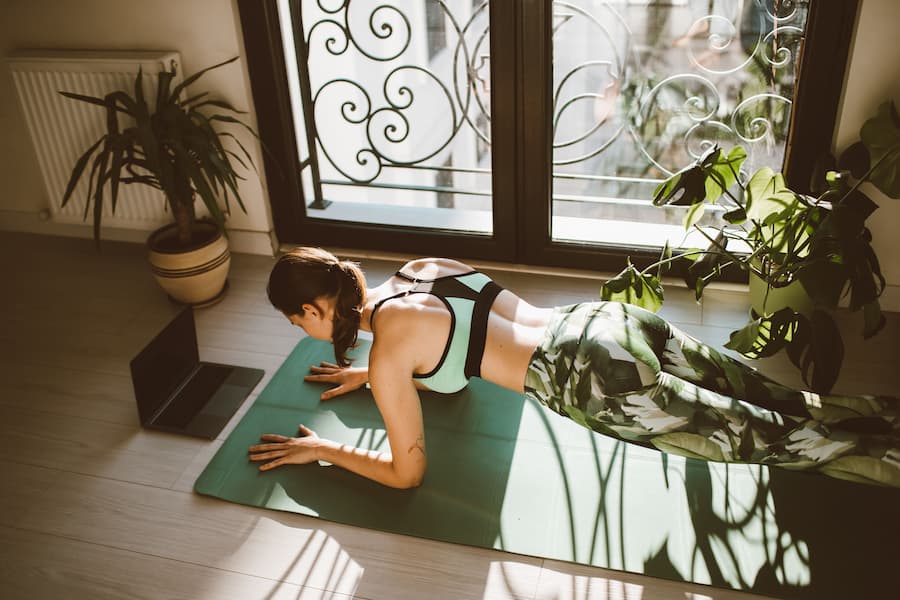
Starting your day with a morning workout at home can be a simple way to become more active without going to the gym. You do not need expensive equipment or a large workout space. With a few basic bodyweight exercises, you can create an effective morning routine that fits into your daily schedule.
Whether you are a beginner or already exercise regularly, a short home workout can help you build a consistent fitness routine.
Why Do a Morning Workout at Home?
Working out in the morning can make exercise easier to fit into a busy schedule. Since you can exercise at home, you also save the time needed to travel to a gym.
Some potential benefits of regular morning exercise include:
-
- Helps you become more physically active
-
- Can improve your daily exercise consistency
-
- Supports overall strength and fitness
-
- Can help you feel more energized and ready for the day
-
- Gives you a structured start to your morning
-
- Requires little or no equipment
The most important thing is consistency. A simple workout that you can follow regularly is often more useful than an intense routine that you quickly stop doing.
15-Minute Morning Workout at Home
If you are short on time, try this simple routine. Start with a few minutes of light warm-up before moving into the exercises.
1. Jumping Jacks

Time: 30 seconds
Stand upright with your feet together and arms at your sides. Jump while moving your feet apart and raising your arms overhead. Return to the starting position and repeat.
Jumping jacks can be used as a simple way to warm up your whole body.
2. Bodyweight Squats
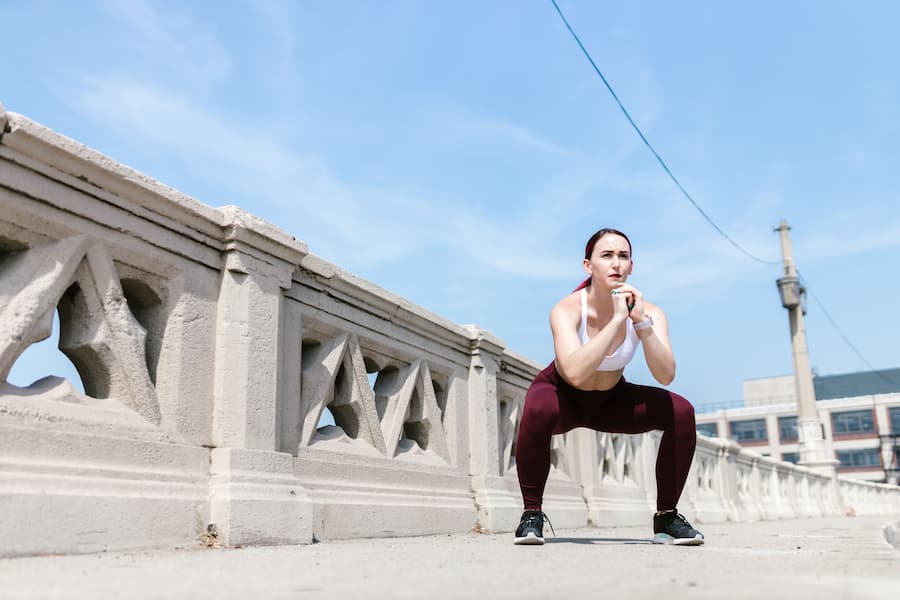
Reps: 10–15
Stand with your feet approximately shoulder-width apart. Push your hips back and bend your knees as if you are sitting in a chair. Keep your chest up, then push through your feet to return to standing.
Squats are a useful bodyweight exercise for training the muscles of your lower body.
3. Push-Ups
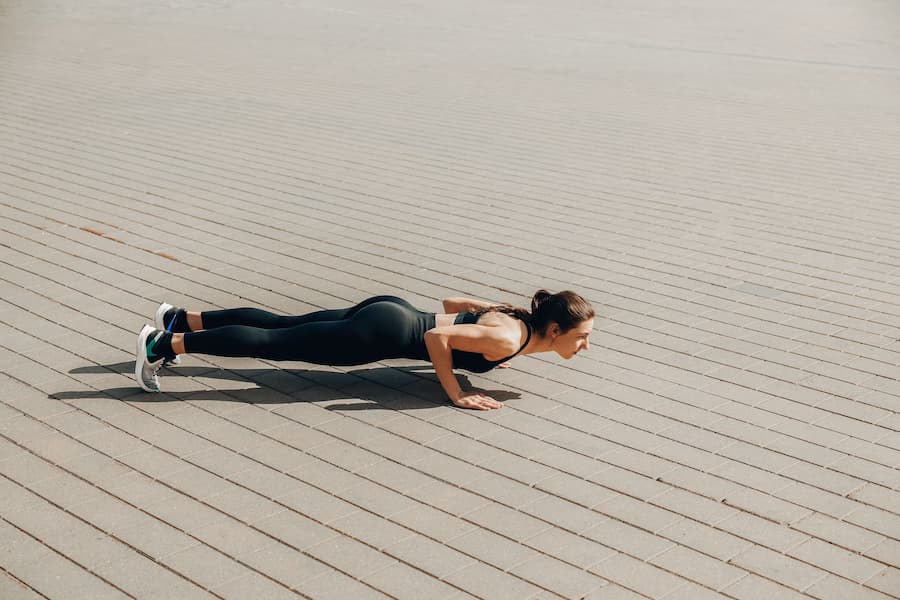
Reps: 5–15
Place your hands on the floor slightly wider than your shoulders. Keep your body in a straight line and lower your chest toward the floor. Push yourself back up.
If regular push-ups are difficult, you can start with knee push-ups or incline push-ups using a stable elevated surface.
4. Reverse Lunges
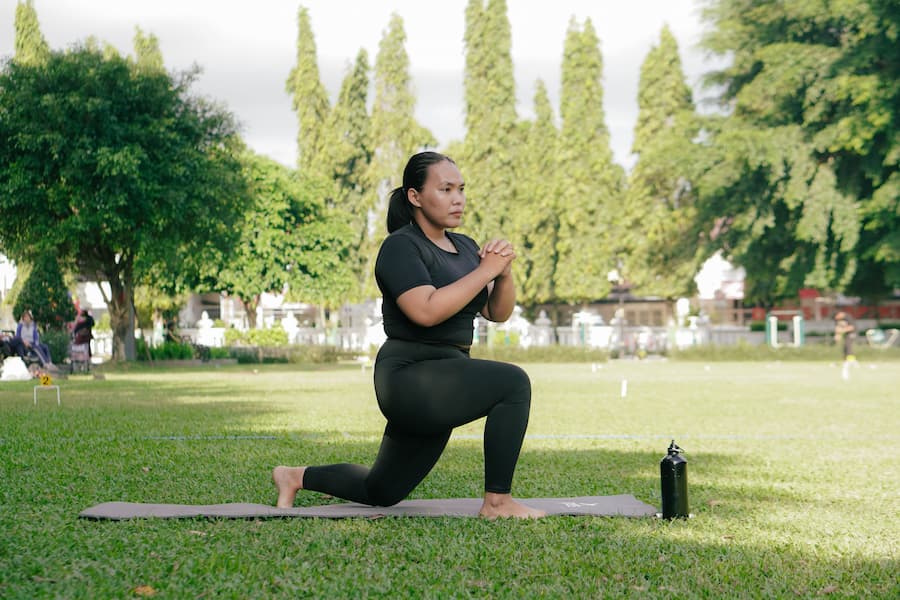
Reps: 8–10 per leg
Stand upright and step one foot backward. Lower your body while keeping your front foot stable. Push through the front foot to return to the starting position.
Alternate between your left and right legs.
5. Glute Bridges
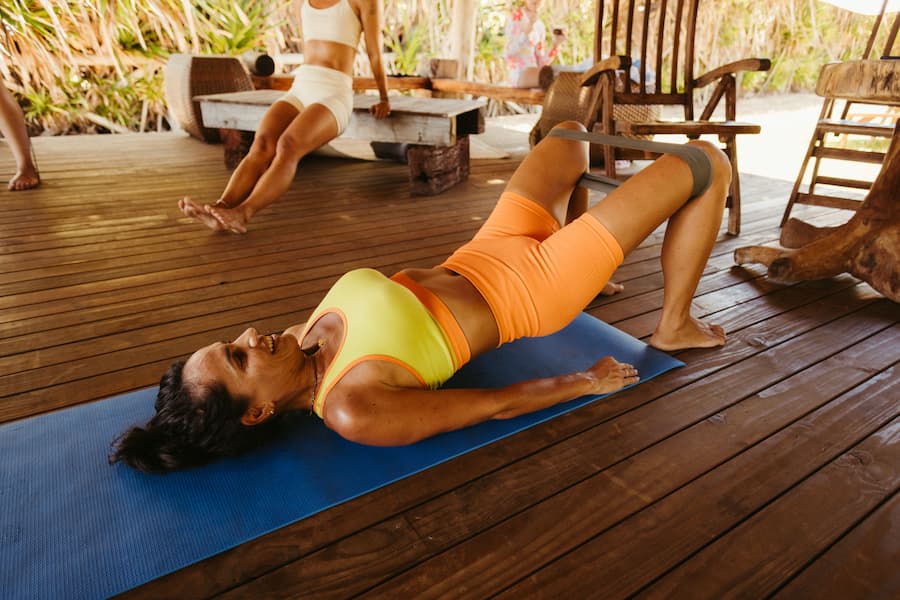
Reps: 12–15
Lie on your back with your knees bent and feet flat on the floor. Keep your arms beside your body. Lift your hips toward the ceiling, squeeze your glutes gently, and slowly lower your hips.
6. Plank
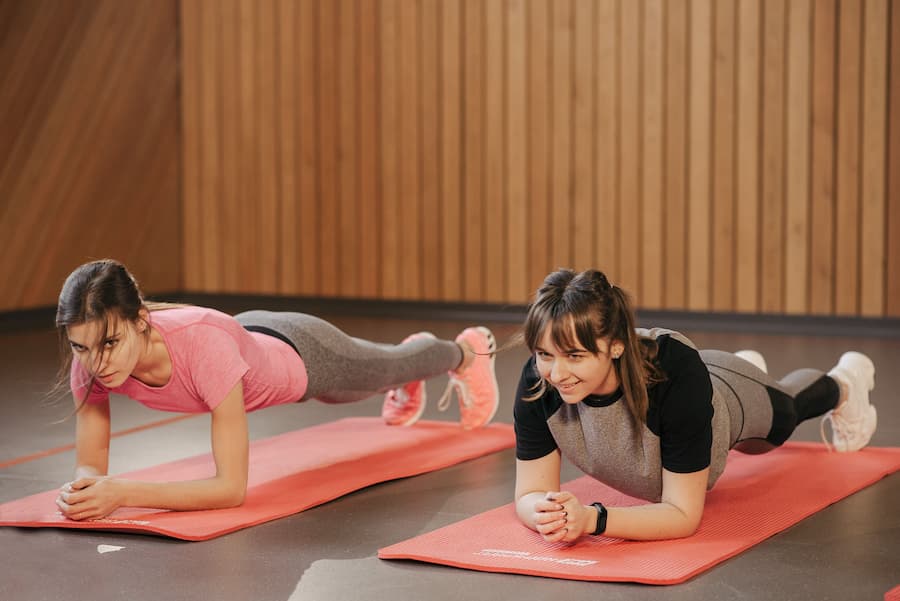
Time: 20–30 seconds
Place your forearms on the floor and extend your legs behind you. Keep your body in a straight line from your shoulders to your feet.
If a full plank is too difficult, start with a shorter hold and gradually increase the time.
Beginner Morning Workout Routine
If you are new to exercise, you don’t need to start with a difficult workout.
Try this beginner routine:
| Exercise | Reps/Time |
|---|---|
| March in place | 1 minute |
| Bodyweight squats | 10 reps |
| Wall or incline push-ups | 8–10 reps |
| Reverse lunges | 6–8 each leg |
| Glute bridges | 10–12 reps |
| Plank | 15–20 seconds |
Rest for 30–60 seconds between exercises if necessary. You can complete the routine once or repeat it for another round depending on your fitness level.
20-Minute Morning Workout at Home
If you have more time, you can extend your routine.
Warm-up – 3 minutes
-
- March in place
-
- Arm circles
-
- Hip circles
-
- Light bodyweight movements
Workout – 15 minutes
Complete 2–3 rounds:
-
- 12 squats
-
- 8–12 push-ups
-
- 10 reverse lunges per leg
-
- 12 glute bridges
-
- 20–30 second plank
Cool-down – 2 minutes
Finish with gentle stretching and relaxed breathing.
Morning Workout at Home Without Equipment
One of the biggest advantages of exercising at home is that you can perform many exercises without equipment.
Some equipment-free exercises include:
-
- Squats
-
- Push-ups
-
- Lunges
-
- Glute bridges
-
- Planks
-
- Mountain climbers
-
- Bird dogs
-
- Calf raises
-
- Wall sits
You can combine these exercises to create a full-body workout.
Morning Workout With Dumbbells
If you have a pair of dumbbells at home, you can add resistance to your workout.
For example:
-
- Dumbbell squats
-
- Dumbbell rows
-
- Dumbbell shoulder presses
-
- Dumbbell Romanian deadlifts
-
- Dumbbell lunges
-
- Dumbbell chest presses
Start with a weight that allows you to maintain good exercise technique. You don’t need very heavy weights to begin.
How Long Should a Morning Workout Be?
Your morning workout does not have to be very long.
If you are a beginner, 10–20 minutes can be a practical starting point. As you become more comfortable with exercise, you can gradually increase the duration or difficulty.
The best workout schedule is one that you can maintain consistently.
Tips for a Better Morning Workout
1. Prepare the Night Before
Keep your workout clothes and any equipment ready before going to bed. This can make it easier to start exercising in the morning.
2. Start Slowly
Don’t try to complete an advanced workout on your first day. Begin with manageable exercises and gradually increase the challenge.
3. Focus on Proper Form
Perform each exercise with controlled movement. Good technique is more important than doing a large number of repetitions.
4. Stay Hydrated

Drink water throughout the day and pay attention to your body’s needs during exercise.
5. Take Rest Days
Your body also needs time to recover. You don’t necessarily need to perform a hard workout every day.
6. Make It Consistent
A 15-minute workout that you do consistently can be easier to maintain than a long workout that you rarely complete.
7-Day Morning Workout at Home Plan
You can use the following simple weekly schedule:
Day 1: Full-body workout Day 2: Light cardio + stretching Day 3: Lower-body workout Day 4: Rest or light activity Day 5: Upper-body workout Day 6: Full-body workout Day 7: Rest and recovery
Adjust the routine based on your fitness level and recovery needs.
Common Mistakes to Avoid
When starting a morning workout at home, avoid trying to do too much too quickly.
Common mistakes include:
-
- Skipping the warm-up
-
- Using poor exercise form
-
- Doing too many repetitions
-
- Starting with weights that are too heavy
-
- Ignoring pain or injury
-
- Not allowing enough recovery
-
- Comparing your progress with other people
If an exercise causes sharp or unusual pain, stop and consider getting advice from a qualified healthcare or fitness professional.
Final Thoughts
A morning workout at home can be simple, affordable, and convenient. You can start with just 10–15 minutes and gradually build your routine as your fitness improves.
You don’t need a gym or expensive equipment to get started. Choose a few exercises that match your current ability, focus on good form, and make regular exercise part of your daily routine.
Start small, stay consistent, and gradually make your workouts more challenging.