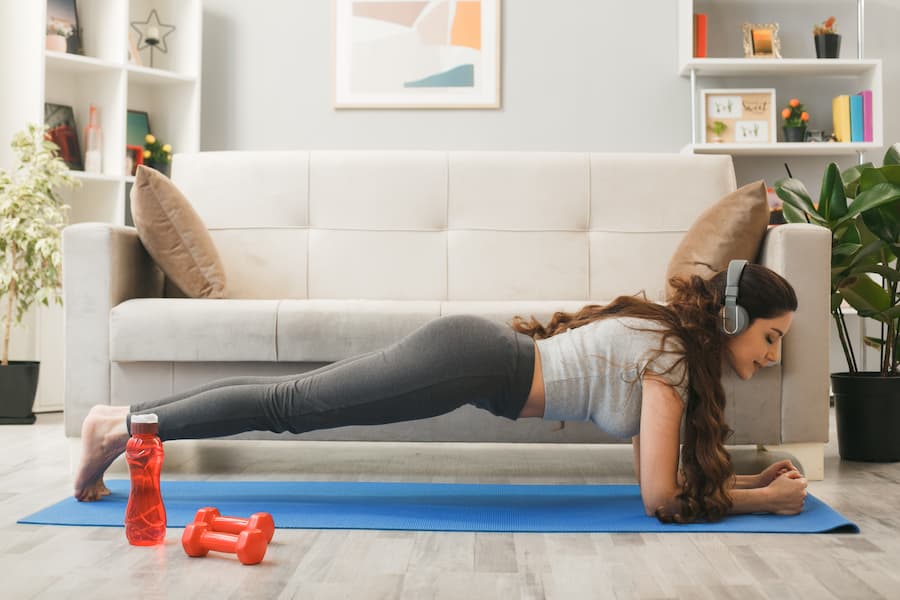
7 Day Workout Plan at Home: Easy Weekly Routine for Beginners
Starting a fitness journey does not require a gym membership or expensive equipment. With a simple 7 day workout plan at home, beginners can build a regular exercise habit, improve strength, and stay active using bodyweight exercises.
Whether you have a busy schedule or prefer exercising in your own space, a home workout routine can be a practical way to work toward your fitness goals. You can start with simple movements, adjust the intensity to your ability, and gradually make your workouts more challenging.
In this guide, you will discover a beginner-friendly weekly workout schedule, easy exercises for each day, and useful tips to help you stay consistent.
Benefits of a 7 Day Workout Plan at Home
Following a structured workout schedule can make exercise easier to organize. Instead of deciding what to do each day, you can follow a simple plan that includes different types of movement and time for recovery.
Here are some benefits of exercising at home:
- Convenience: Work out without travelling to a gym.
- No expensive equipment: Many beginner exercises use only body weight.
- Flexible scheduling: Choose a time that fits your daily routine.
- Improved strength: Bodyweight exercises can help develop muscular strength.
- Better consistency: A weekly plan helps you build a regular exercise habit.
Remember that a seven-day plan does not mean you need to perform intense workouts every day. Rest and gentle movement are important parts of a balanced routine.
Your 7 Day Workout Plan at Home
This beginner-friendly plan combines strength exercises, light cardio, mobility, and recovery. Adjust the repetitions and duration to suit your current fitness level.
Day 1: Full Body Workout
Start your week with simple exercises that work several major muscle groups.
Exercises:
- Marching in Place: 2 minutes
- Bodyweight Squats: 10 repetitions
- Wall Push-Ups: 10 repetitions
- Glute Bridges: 12 repetitions
- Bird Dog: 8 repetitions per side
Complete one or two rounds, resting between exercises when needed.
This full-body session helps you practise basic movements without requiring gym equipment.
Day 2: Upper Body Workout
Focus on movements that train your chest, shoulders, arms, and supporting muscles.

Exercises:
- Wall Push-Ups: 10–12 repetitions
- Arm Circles: 30 seconds in each direction
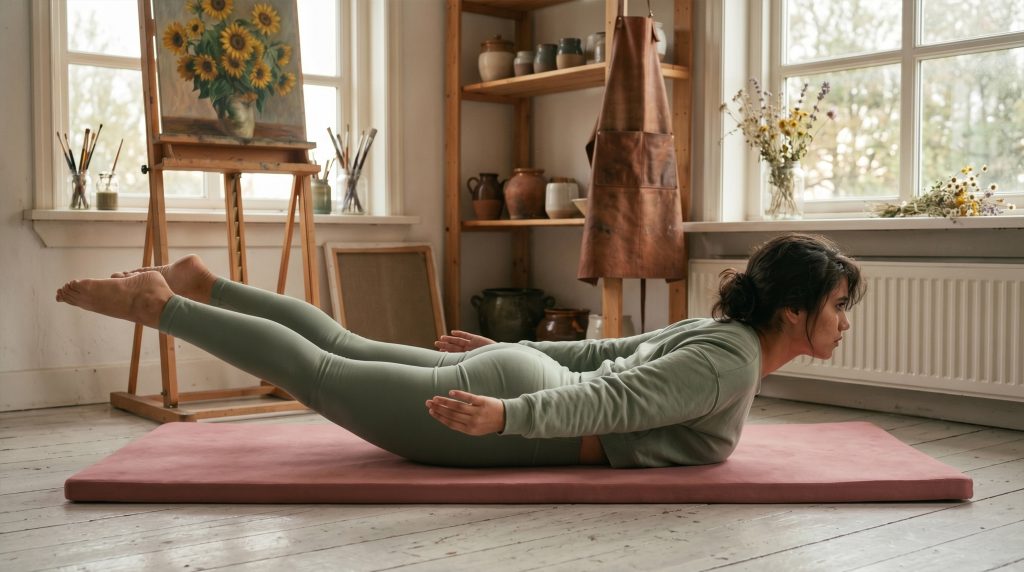
- Prone W Raises: 8–10 repetitions
- Wall Angels: 8–10 repetitions
Perform one or two comfortable rounds. Keep your movements controlled and avoid forcing your shoulders into uncomfortable positions.
Ready for a bigger challenge? Try our upper chest workout at home once these moves feel easy.
Day 3: Lower Body Workout
Lower-body exercises help strengthen your legs and hips.
Exercises:
- Bodyweight Squats: 10–12 repetitions
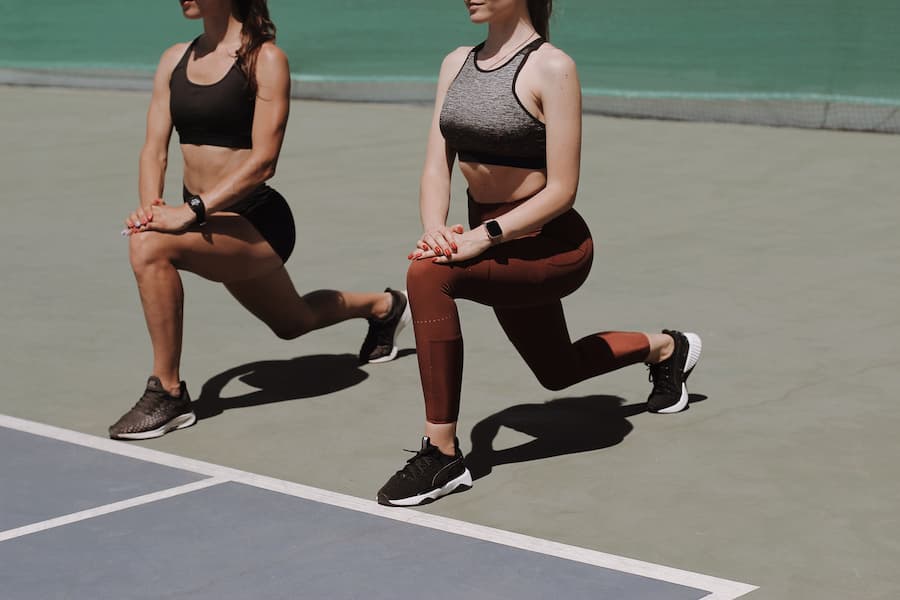
- Reverse Lunges: 6–8 repetitions per side
- Glute Bridges: 12 repetitions
- Standing Calf Raises: 12–15 repetitions
If lunges are difficult, hold a sturdy support for balance or use a smaller range of motion.
Day 4: Active Recovery and Stretching
Your body needs time to recover after strength workouts. Use this day for gentle movement rather than an intense training session.
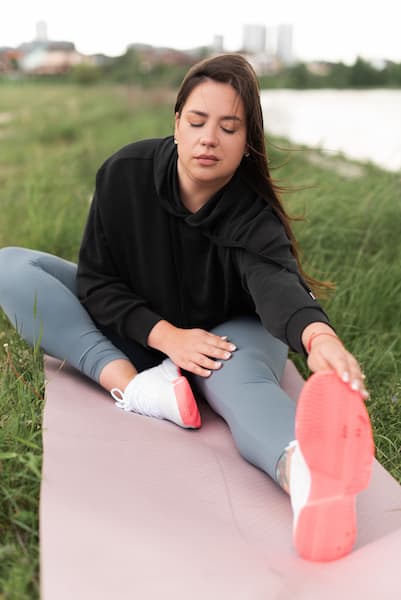
Activities:
- Easy Walking: 10–20 minutes
- Cat-Cow Stretch: 8–10 slow repetitions
- Standing Side Stretch: 5 repetitions per side
- Gentle Shoulder Rolls: 10 repetitions
Move slowly and stretch only within a comfortable range. Recovery days help make your weekly exercise schedule more manageable.
Day 5: Core and Back Workout
This session focuses on your abdominal muscles and the muscles that support your back.
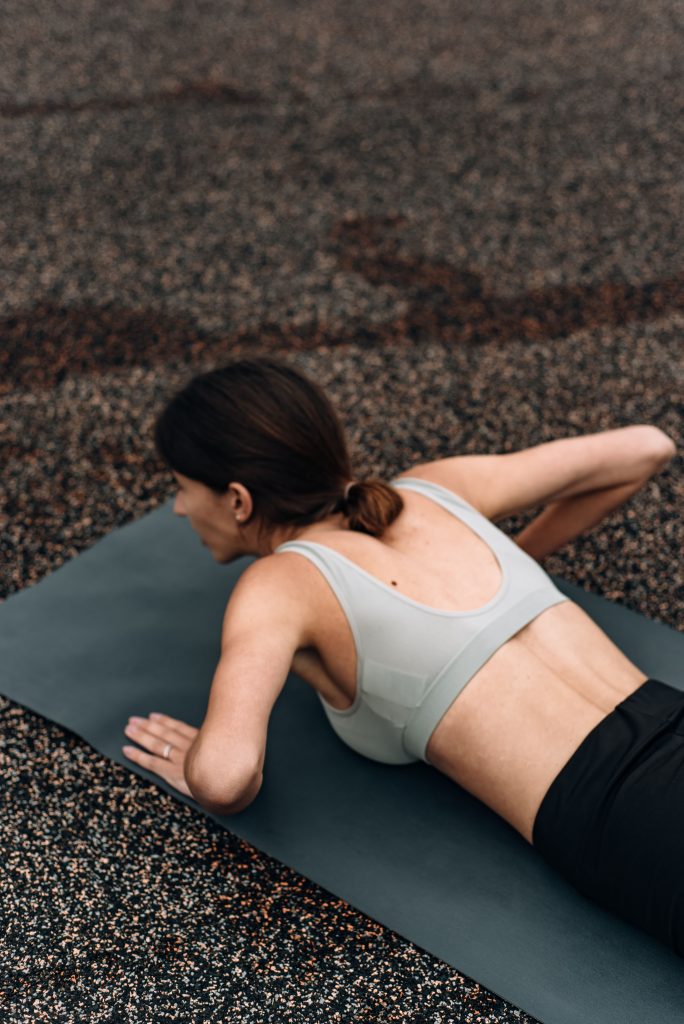
Exercises:
- Bird Dog: 8 repetitions per side
- Dead Bug: 8 repetitions per side
- Glute Bridges: 12 repetitions
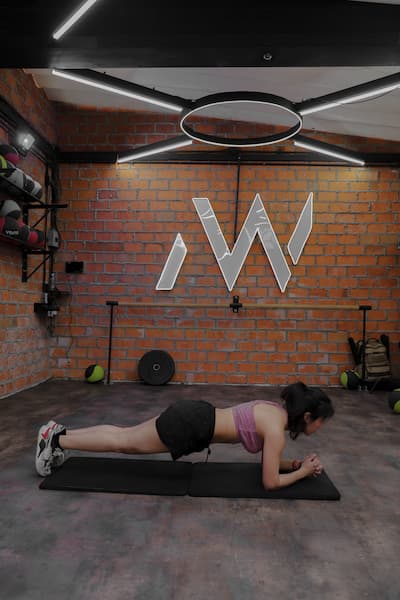
- Knee Plank: Hold for 10–20 seconds if comfortable
Complete one or two rounds, taking breaks whenever necessary. Keep your back in a comfortable position and avoid movements that cause pain.
Day 6: Light Cardio Workout
Light cardio is a simple way to add more movement to your day. Choose a pace that allows you to breathe comfortably.

Activities:
- Marching in Place: 2 minutes
- Step Touches: 2 minutes
- Low-Impact Jumping Jacks: 1 minute
- Easy Walking: 5–10 minutes
You can shorten the session if you are new to exercise. The goal is to move regularly, not to exhaust yourself.
Day 7: Rest and Gentle Movement
Use the final day to recover and prepare for the next week.
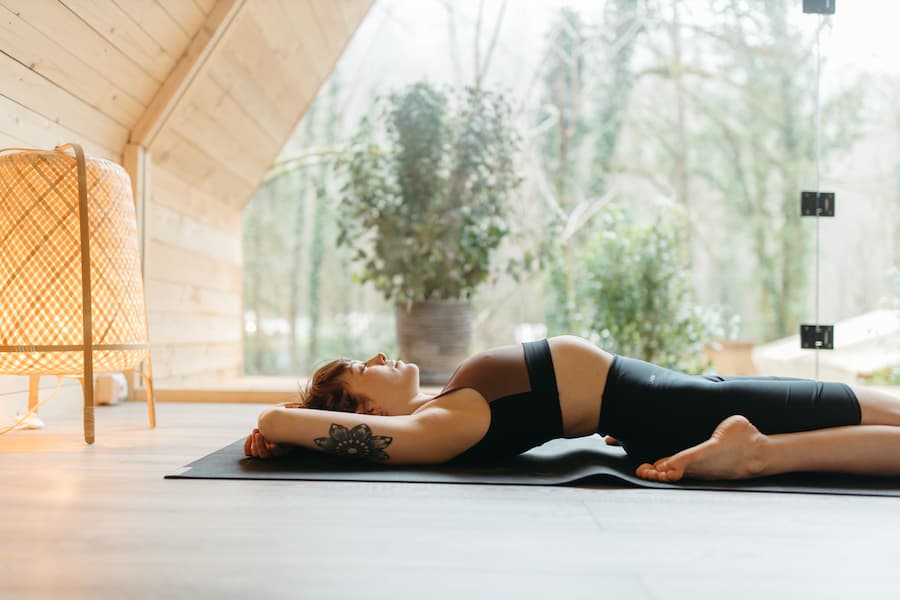
You can choose to:
- Take a relaxed walk.
- Perform gentle stretching.
- Practise slow breathing.
- Review your progress from the previous six days.
If you feel tired or sore, prioritize rest. You do not need a hard workout every day to make progress.
How to Follow This Weekly Workout Schedule
To get started, choose a comfortable space at home and wear clothing that allows you to move freely.
Follow these simple steps:
- Begin each workout with three to five minutes of gentle warm-up movements.
- Start with one round of each exercise.
- Rest between movements whenever you need to.
- Focus on good technique rather than speed.
- Increase repetitions gradually as the exercises become easier.
- Take extra recovery time if you feel unusually tired or sore.
Beginners should prioritize consistency and safe movement instead of trying to complete every exercise perfectly on the first day.
Common Workout Mistakes to Avoid
Doing Too Much Too Soon
Starting with an intense workout can make the routine difficult to maintain. Begin with a manageable amount of exercise and progress gradually.
Skipping Warm-Ups
Gentle movement before exercise prepares your body for the session. Spend a few minutes warming up before more demanding movements.
Ignoring Proper Form
Controlled movement is more useful than rushing through repetitions. Choose an easier variation if you cannot maintain comfortable technique.
Forgetting Recovery
Your body needs time to adapt to exercise. Use active recovery and rest days instead of training intensely every day.
Expecting Instant Results
Fitness improvements take time and vary from person to person. Focus on regular activity, sufficient sleep, balanced nutrition, and gradual progress.
Tips for Better Results From a Home Workout
- Keep your workout schedule somewhere you can see it.
- Set a realistic goal for the first week.
- Drink water throughout the day.
- Eat balanced meals that support your activity level.
- Get enough sleep and allow time for recovery.
- Record your workouts so you can see your progress.
- Modify exercises to match your abilities.
You can repeat this weekly plan if it suits your needs, adjusting the exercises and rest periods as your fitness improves.
Frequently Asked Questions
Can beginners follow a 7 day workout plan at home?
Yes. Beginners can use a weekly plan that combines simple strength exercises, light cardio, mobility, and rest. Start with short sessions and adjust the intensity to your ability.
Can I work out at home without equipment?
Yes. Exercises such as squats, wall push-ups, glute bridges, and bird dogs can be performed without gym equipment.
How long should a beginner workout last?
A short session of around 10–20 minutes may be a reasonable starting point. Your ideal workout duration depends on your fitness level, schedule, and how comfortably you recover.
Should I exercise every day for seven days?
You can include gentle movement every day, but you do not need seven intense workouts. This plan includes active recovery and a rest-focused day to help balance activity and recovery.
When will I notice results from home workouts?
Progress varies depending on your starting fitness level, consistency, recovery, and other lifestyle factors. Focus on building a sustainable routine instead of expecting immediate changes.
Conclusion
A 7 day workout plan at home can help beginners create a simple and organized exercise routine without expensive equipment. By combining full-body movements, upper- and lower-body exercises, core training, light cardio, and recovery, you can make physical activity part of your weekly schedule.
Start at a comfortable level, pay attention to your technique, and progress gradually. Consistent effort and adequate recovery are important steps toward long-term fitness.