
Home Workout for Back Without Equipment: 7 Easy Exercises
Want to strengthen your back without going to the gym? A home workout for back without equipment is a convenient way to build strength, improve posture, and stay active. You do not need dumbbells, resistance bands, or expensive machines to get started.
With a little space at home and a consistent routine, you can perform simple bodyweight exercises that target your upper back, lower back, and surrounding muscles.
In this guide, you will learn seven beginner-friendly back exercises, how to perform them correctly, and how to build a simple workout routine at home.
Benefits of Back Workouts at Home
Your back muscles help support your spine, maintain posture, and make everyday movements easier. Regular strength exercises can help you develop a stronger and more balanced body.
Here are some benefits of doing back workouts at home:
- Better posture: Strengthening your back muscles can help support an upright posture.
- Improved strength: Bodyweight exercises can help develop muscular endurance and control.
- Convenience: You can exercise at home without buying gym equipment.
- Flexible routine: You can fit a short workout into your daily schedule.
- Better body awareness: Controlled movements can help you improve coordination and movement technique.
7 Best Back Exercises Without Equipment
1. Superman Exercise
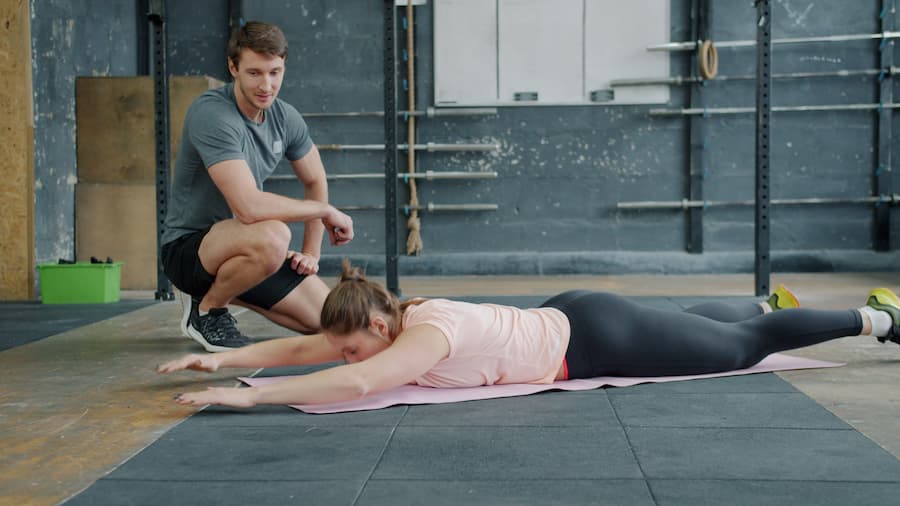
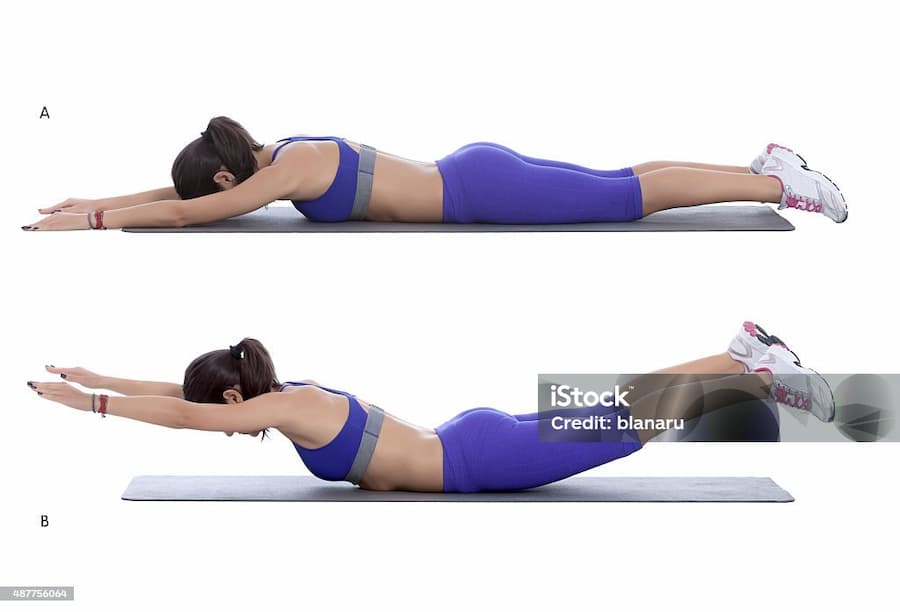
The Superman exercise targets the muscles along your back and helps develop trunk strength.
How to do it:
- Lie face down on a comfortable mat.
- Extend your arms in front of you and keep your legs straight.
- Gently lift your arms, chest, and legs a short distance off the floor.
- Hold for two to three seconds without straining your neck.
- Lower yourself slowly and repeat.
Sets and reps: 2 sets of 8–12 repetitions.
Beginner tip: Lift only as high as feels comfortable. Avoid arching your lower back excessively.
2. Bird Dog
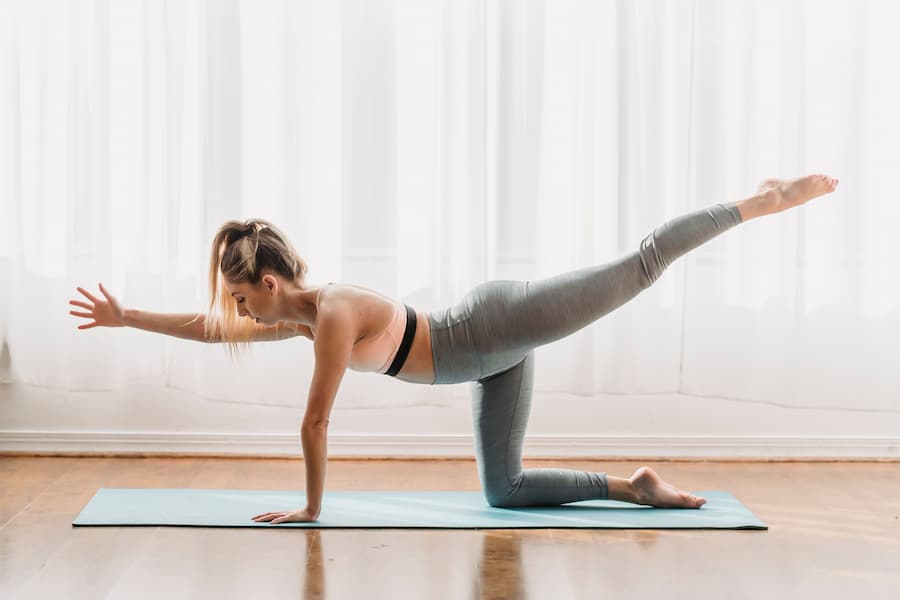
The bird dog exercise works your back and core while helping improve balance and stability.
How to do it:
- Start on your hands and knees.
- Keep your hands beneath your shoulders and knees beneath your hips.
- Extend your right arm forward and your left leg backward.
- Keep your back level and your hips facing the floor.
- Return to the starting position and switch sides.
Sets and reps: 2 sets of 8–10 repetitions per side.
Beginner tip: Move slowly instead of lifting your arm and leg as high as possible.
3. Reverse Snow Angels
Reverse snow angels target the upper-back and shoulder muscles using a controlled movement.
How to do it:
- Lie face down with your arms beside your body.
- Keep your forehead comfortably supported and your neck relaxed.
- Move your arms outward and upward in a wide arc.
- Bring them back down toward your hips.
- Repeat while keeping the movement slow and controlled.
Sets and reps: 2 sets of 8–12 repetitions.
Beginner tip: Keep your shoulders relaxed and avoid forcing your arms through a painful range of motion.
4. Prone Y Raises
Prone Y raises work muscles around the upper back and shoulder blades.
How to do it:
- Lie face down with your arms extended diagonally overhead to form a Y shape.
- Keep your thumbs pointing upward.
- Gently lift your arms a small distance off the floor.
- Pause briefly while squeezing your shoulder blades.
- Lower your arms slowly.
Sets and reps: 2 sets of 8–12 repetitions.
Beginner tip: Focus on controlled movement rather than lifting your arms high.
5. Prone W Raises
Prone W raises help strengthen the upper back and muscles that support shoulder movement.
How to do it:
- Lie face down with your elbows bent and your arms positioned like a W.
- Keep your neck neutral and your shoulders away from your ears.
- Gently lift your hands and elbows slightly off the floor.
- Squeeze your shoulder blades together.
- Hold briefly and return to the starting position.
Sets and reps: 2 sets of 8–12 repetitions.
Beginner tip: Keep the movement small and avoid shrugging your shoulders.
6. Glute Bridge
The glute bridge primarily strengthens your glutes and also engages your core and muscles that support your lower back.
How to do it:
- Lie on your back with your knees bent and feet flat on the floor.
- Place your arms beside your body.
- Tighten your abdominal muscles gently.
- Lift your hips until your shoulders, hips, and knees form a roughly straight line.
- Pause briefly, then lower your hips slowly.
Sets and reps: 2 sets of 10–15 repetitions.
Beginner tip: Avoid pushing your hips so high that you excessively arch your lower back.
7. Wall Slides
Wall slides encourage controlled shoulder movement and can help you practice an upright upper-body position.
How to do it:
- Stand with your back against a wall.
- Position your arms in a goalpost shape with your elbows bent.
- Slowly slide your arms upward as far as comfortable.
- Lower them with control.
- Repeat while keeping your ribs from flaring excessively.
Sets and reps: 2 sets of 8–12 repetitions.
Beginner tip: Your arms do not need to remain completely against the wall if your mobility does not allow it.
15-Minute Back Workout at Home
You can combine these exercises into a simple beginner-friendly routine.
| Exercise | Repetitions |
|---|---|
| Superman | 10 reps |
| Bird Dog | 8 reps per side |
| Reverse Snow Angels | 10 reps |
| Prone Y Raises | 10 reps |
| Prone W Raises | 10 reps |
| Glute Bridge | 12 reps |
| Wall Slides | 10 reps |
Rest for approximately 30–60 seconds between exercises as needed. Complete one or two rounds depending on your fitness level. The total time will vary with your pace and rest periods.
Start with two or three sessions per week, allowing recovery time between strength workouts. As the exercises become easier, you can gradually increase repetitions or add another round.
Common Mistakes to Avoid
Avoid these common mistakes when performing a home workout for back without equipment:
1. Moving too quickly: Fast repetitions can make it harder to maintain good technique. Use slow, controlled movements.
2. Overarching your lower back: Lifting your chest or legs too high during floor exercises may place unnecessary stress on your lower back.
3. Ignoring proper breathing: Breathe naturally throughout each exercise instead of holding your breath.
4. Doing too much too soon: Beginners should start with manageable repetitions and increase their workload gradually.
5. Skipping recovery: Your muscles need time to recover between strength-training sessions.
6. Ignoring pain: Stop an exercise if it causes sharp pain, numbness, or worsening symptoms. Seek professional advice if symptoms persist.
Tips for Better Results
To get the most from your back workout, focus on consistency and proper technique rather than doing as many repetitions as possible.
- Warm up with three to five minutes of gentle movement.
- Keep your neck in a comfortable, neutral position.
- Use a stable surface and a comfortable exercise mat if available.
- Increase the difficulty gradually as your strength improves.
- Eat a balanced diet with enough protein to support muscle recovery.
- Get adequate sleep and allow time between challenging workouts.
Remember that bodyweight exercises without pulling equipment have limitations, especially for building the larger pulling muscles of the back. If your goal is substantial muscle growth, you may eventually benefit from safely adding resistance or other pulling exercises.
Frequently Asked Questions
Can I train my back at home without equipment?
Yes. Exercises such as bird dogs, Superman holds, prone Y raises, and prone W raises can help strengthen your back and supporting muscles without gym equipment.
How often should beginners train their back?
Two or three sessions per week is a reasonable starting point for many beginners. Allow recovery time between sessions and adjust your routine to your fitness level.
Can back exercises improve posture?
Strengthening your back and shoulder muscles may help support posture. Good posture also depends on mobility, daily habits, and how you position your body throughout the day.
How long should a home back workout take?
A beginner session can take around 10–20 minutes, depending on the number of exercises, repetitions, and rest periods.
Are bodyweight back exercises enough to build muscle?
They can help beginners develop strength and endurance. However, muscle growth may eventually require progressively more challenging exercises or additional resistance.
Conclusion
A home workout for back without equipment is a practical way to begin building strength and improving movement control. Exercises such as Superman, bird dogs, prone Y raises, and glute bridges can fit into a simple routine without requiring a gym membership.
Start with manageable repetitions, prioritize proper technique, and increase the difficulty gradually. With consistent practice and enough recovery, you can build a stronger foundation for your overall fitness.
If you have an existing back injury or persistent back pain, consult a qualified healthcare professional before starting a new exercise routine.