Starting your day with a short workout can boost your energy, improve your mood, and help you build a healthy habit. You don’t need a gym or any equipment. All you need is a little space at home and about 20 minutes.
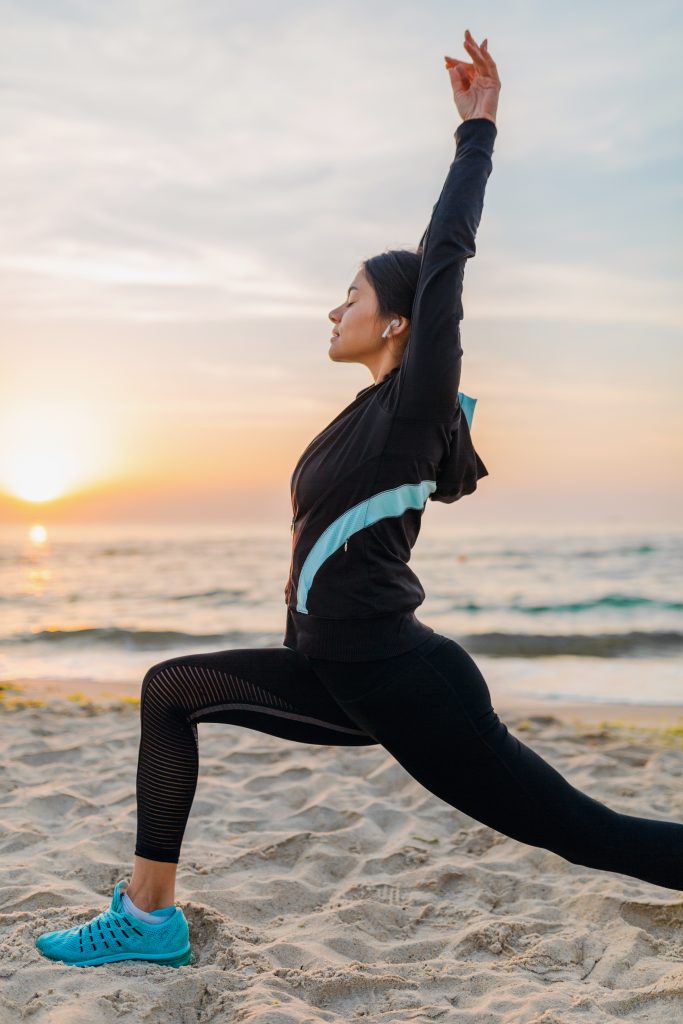
If a full plank is too difficult, start with a shorter hold and gradually increase the time.
Beginner Morning Workout Routine
If you are new to exercise, you don’t need to start with a difficult workout. Try this beginner routine:
| Exercise | Reps/Time |
|---|---|
| March in place | 1 minute |
| Bodyweight squats | 10 reps |
| Wall or incline push-ups | 8–10 reps |
| Reverse lunges | 6–8 each leg |
| Glute bridges | 10–12 reps |
| Plank | 15–20 seconds |
Rest for 30–60 seconds between exercises if necessary. You can complete the routine once or repeat it for another round, depending on your fitness level.
Want more exercises? Try our hormonal home workout guide.
20-Minute Morning Workout at Home
If you have more time, you can extend your routine.
Warm-up – 3 minutes
- March in place
- Arm circles
- Hip circles
- Light bodyweight movements
Workout – 15 minutes
Complete 2–3 rounds:
- 12 squats
- 8–12 push-ups
- 10 reverse lunges per leg
- 12 glute bridges
- 20–30 second plank
Cool-down – 2 minutes
Finish with gentle stretching and relaxed breathing.
Benefits of a Morning Workout
A morning routine has several advantages, especially for beginners:
- More energy: Moving your body early wakes you up and can help you feel more alert through the day.
- Better consistency: It is easier to stay regular when you exercise before your daily tasks and distractions begin.
- Improved mood: Physical activity can help reduce stress and support a positive mindset.
- Better focus: Many people find it easier to concentrate after a short workout.
- Healthy start: Exercising in the morning often makes it easier to make better choices for the rest of the day.
Tips for Beginners
If you are just starting out, these simple tips can help you stay safe and consistent:
- Start slow. Begin with one round and add more as your fitness improves.
- Focus on form. Proper technique matters more than speed or the number of reps.
- Stay hydrated. Drink a glass of water before and after your workout.
- Wear comfortable clothes. Choose breathable clothing and supportive shoes.
- Be consistent. Even 3 to 4 days a week can help you build a lasting habit.
- Listen to your body. Stop if you feel sharp pain, dizziness, or discomfort.
Common Mistakes to Avoid
- Skipping the warm-up, which can increase the risk of strain.
- Doing too much too soon and getting tired or sore.
- Holding your breath during exercises instead of breathing steadily.
- Comparing yourself to others instead of focusing on your own progress.
Frequently Asked Questions
How long should a morning workout be?
For beginners, 15 to 20 minutes is enough. You can slowly increase the time as you get stronger.
Do I need equipment for a morning workout at home?
No. The exercises in this routine use only your body weight, so you can do them anywhere.
Can I do this workout on an empty stomach?
Some people feel fine exercising before eating, while others prefer a light snack first. Choose what feels comfortable for you, and drink water.
How many days a week should I exercise?
Beginners can start with 3 days a week and add more days gradually, leaving rest days in between.
How to Stay Motivated
Pick a fixed time each morning and keep your workout clothes ready the night before. Track your progress in a notebook, and celebrate small wins like holding the plank for a few extra seconds. Over time, these small improvements will keep you motivated and consistent.
Final Thoughts
A beginner morning workout does not have to be hard or long. Start with the simple routine above, stay consistent, and increase the effort slowly. Small daily steps can lead to big changes over time.
Note: If you have any health condition or concerns, talk to a doctor before starting a new exercise routine.