A chest workout at home for ladies is a convenient way to improve upper-body strength without joining a gym. With a little space and simple bodyweight exercises, women can start a fitness routine that fits their daily schedule.
The chest muscles help with pushing movements and work alongside the shoulders and triceps. Regular strength training can help improve muscular strength and make everyday activities easier. You do not need expensive equipment to begin.
In this guide, you will learn seven beginner-friendly chest exercises, how to perform them safely, and how to create a simple home workout routine.
Benefits of Chest Workouts for Women
Chest exercises can be a useful part of a balanced fitness routine. Some potential benefits include:
-
- Upper-body strength: Strengthen muscles used in pushing movements.
- Convenience: Exercise at home without travelling to a gym.
- Beginner-friendly options: Start with easier movements and progress gradually.
- Functional fitness: Practise movements used in everyday activities.
- Workout flexibility: Choose a routine that fits your schedule.
Chest exercises strengthen muscles, but they do not specifically burn fat from the chest area or permanently change breast size.
7 Easy Chest Workout Exercises at Home
1. Wall Push-Ups
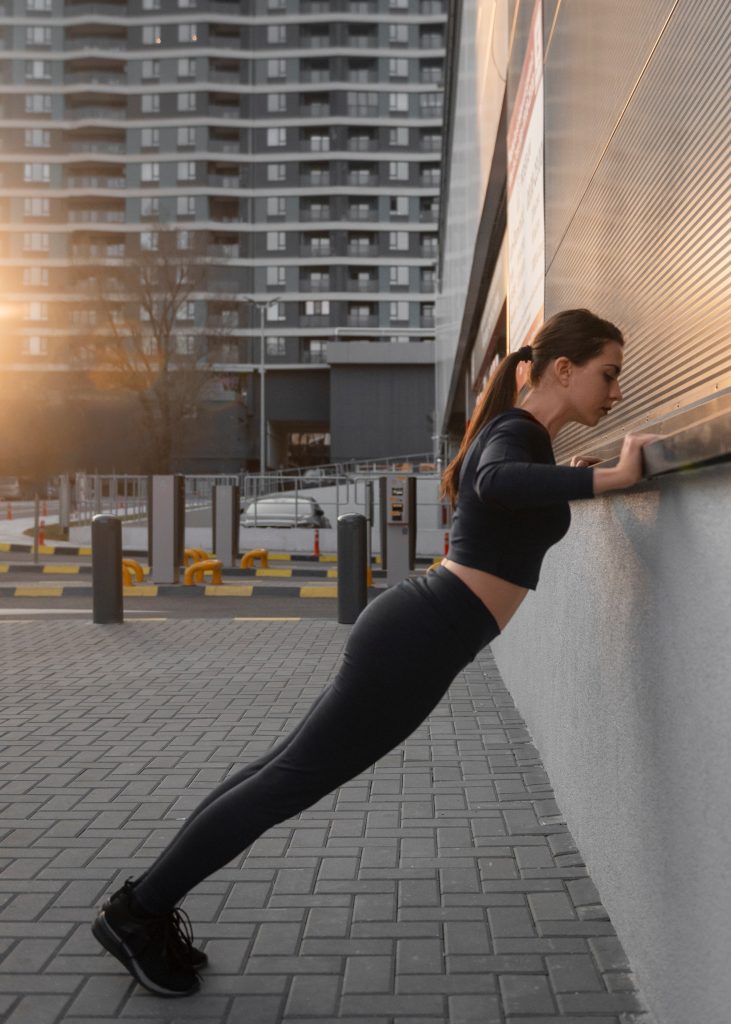
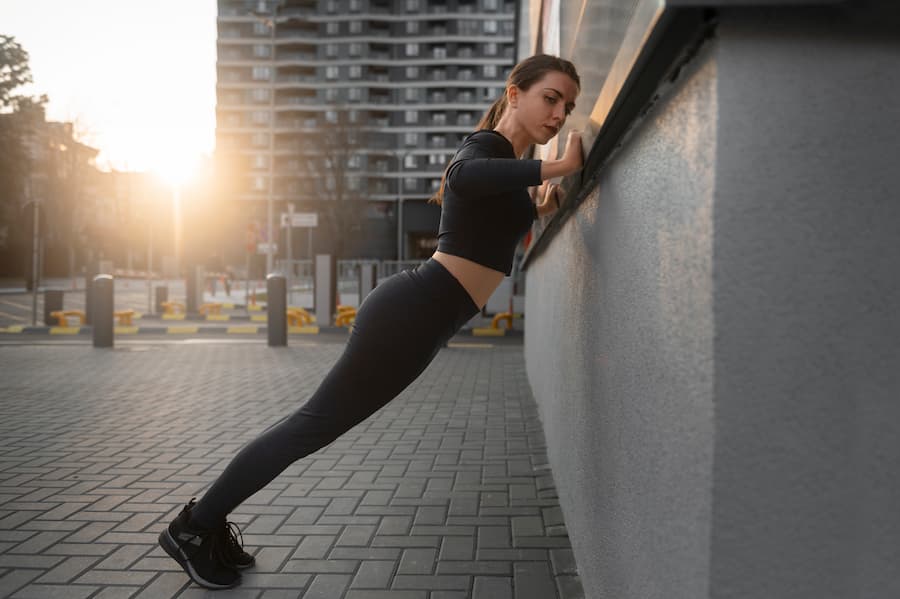
Stand facing a wall and place your palms against it at shoulder height. Keep your body straight, bend your elbows, and move your chest toward the wall. Push back to the starting position.
Repetitions: 10–15
Wall push-ups are a good starting point for beginners who are not yet comfortable with floor push-ups.
2. Knee Push-Ups
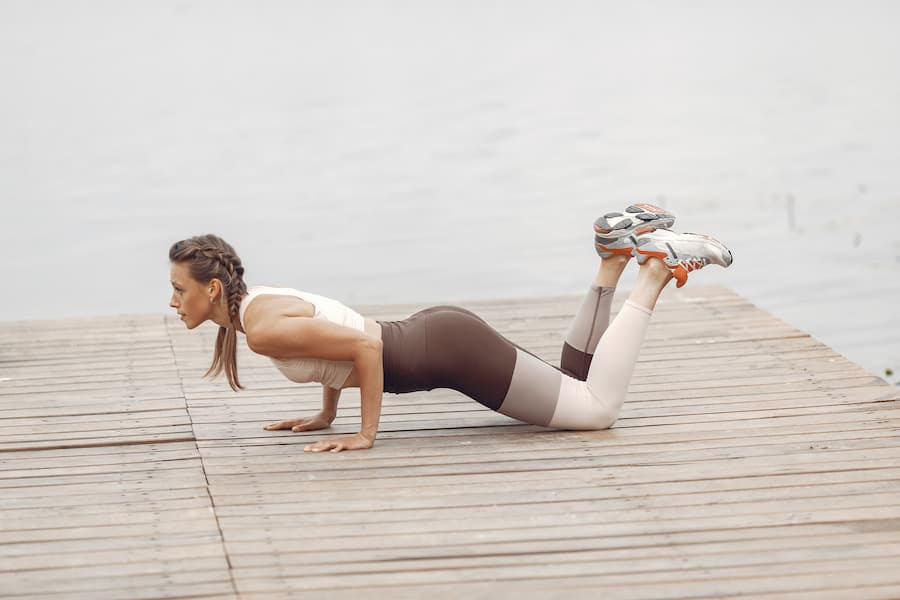
Start on your hands and knees with your hands slightly wider than shoulder-width apart. Keep your body aligned from your knees to your head. Lower your chest toward the floor and push back up.
Repetitions: 6–10
Move slowly and stop when you can no longer maintain good form.
3. Standard Push-Ups
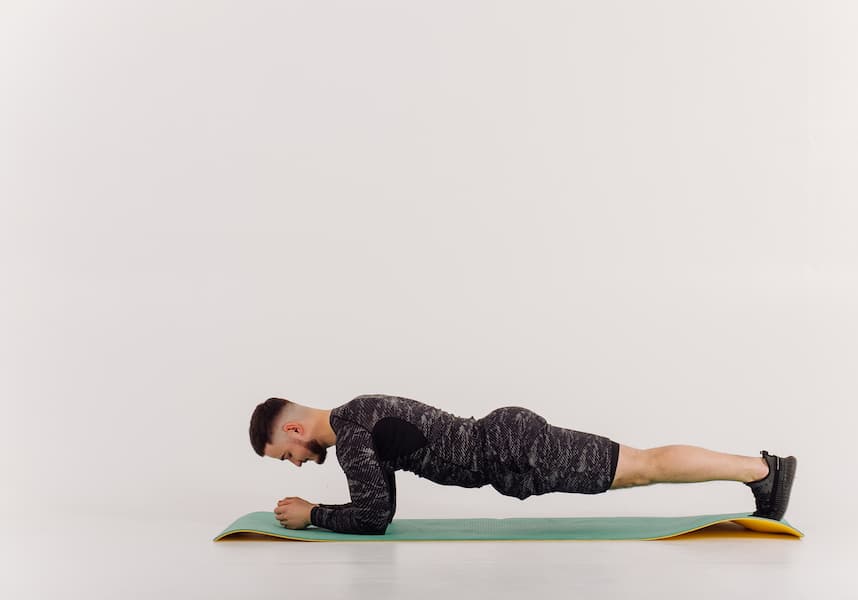
Begin in a plank position with your hands slightly wider than your shoulders. Keep your abdominal muscles engaged and your body aligned. Lower your chest toward the floor, then push back up.
Repetitions: 5–10
If standard push-ups feel too difficult, return to knee or wall push-ups.
4. Wide-Hand Push-Ups
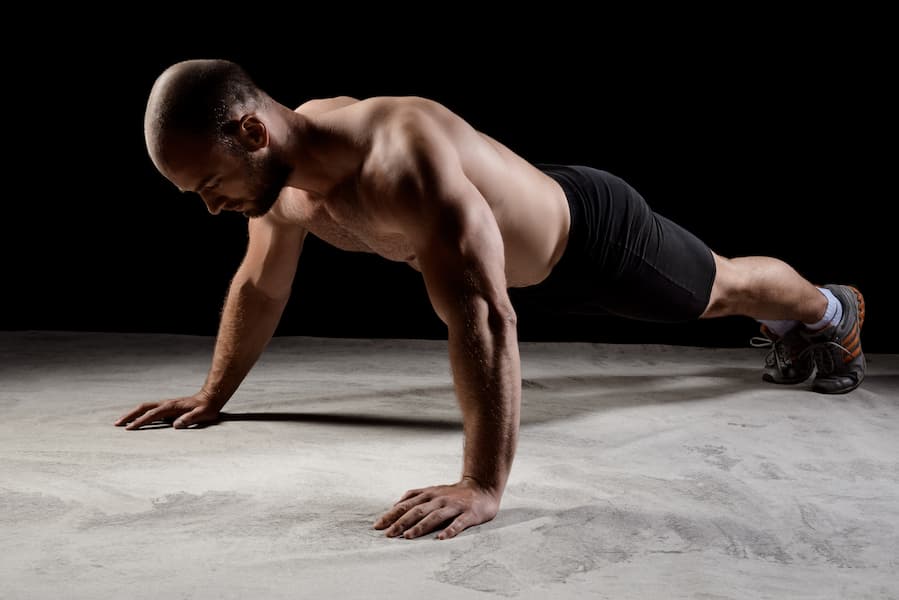
Place your hands a little wider than shoulder-width apart. Keep your body stable and lower yourself with control before pushing back up.
Repetitions: 5–8
Use a comfortable hand position rather than placing your hands excessively wide. This movement primarily works the chest, shoulders, and triceps.
5. Incline Push-Ups
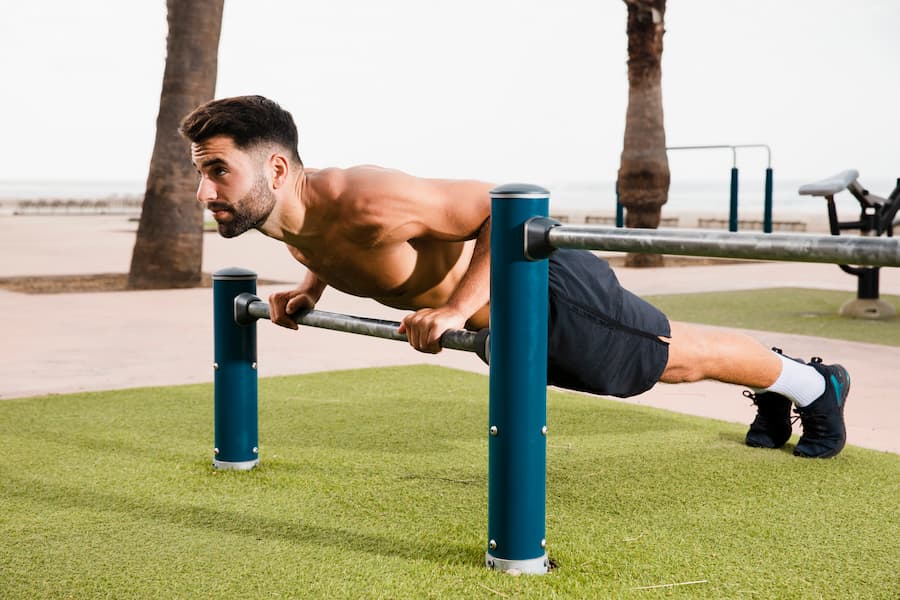
Place your hands on a sturdy, stable counter or bench. Step your feet back and keep your body straight. Bend your elbows to lower your chest toward the support, then push away.
Repetitions: 8–12
Choose a secure surface that will not move or tip over. A higher surface generally makes the exercise easier.
6. 
Stand upright and bring your palms together in front of your chest. Press your palms firmly against each other for several seconds, then relax.
Repetitions: 8–10 presses, holding each for 5–10 seconds
This is a simple way to practise chest-muscle contraction without equipment. Keep breathing normally and avoid excessive pressure.
7. Slow Negative Push-Ups
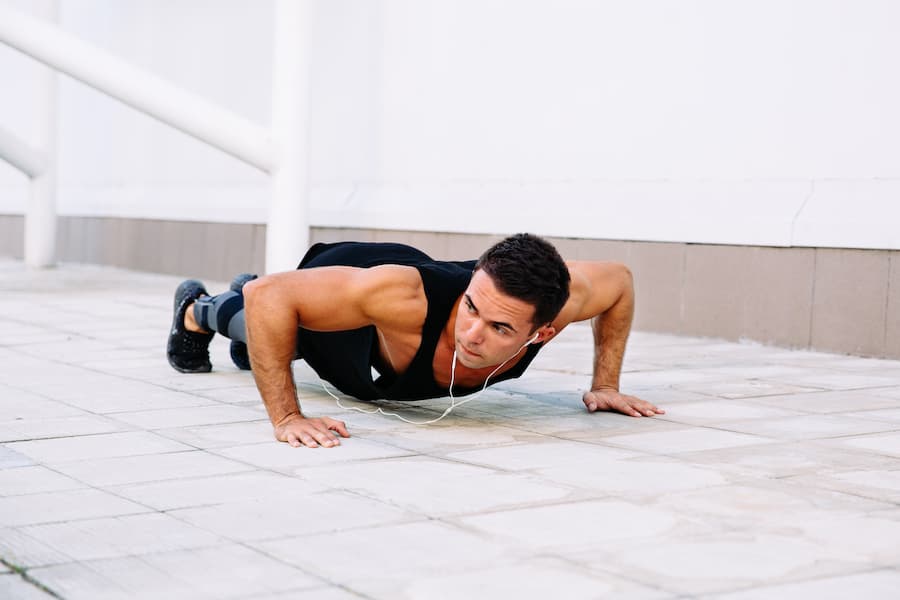
Start in a comfortable push-up position, using your knees if needed. Lower your body slowly over three or four seconds. Return to the starting position using a variation you can perform safely.
Repetitions: 4–6
Focus on controlled movement rather than speed. Stop if you feel pain in your wrists, shoulders, or elbows.
Beginner Chest Workout Routine at Home
Try this simple routine twice a week, with recovery time between sessions.
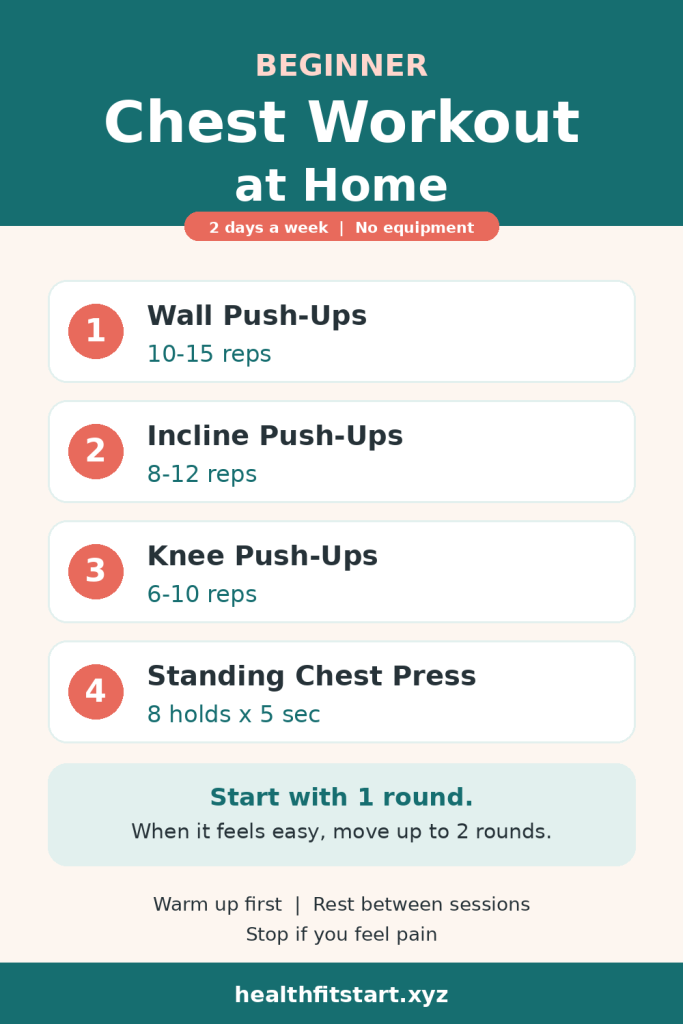
- Wall Push-Ups: 10–15 repetitions
- Incline Push-Ups: 8–12 repetitions
- Knee Push-Ups: 6–10 repetitions
- Standing Chest Press: 8 holds of 5 seconds
Start with one round. If the exercises feel comfortable and your technique remains controlled, gradually progress to two rounds.
Warm up with a few minutes of gentle movement before beginning.
A short morning workout at home can also help you warm up.
Common Chest Workout Mistakes to Avoid
Using Incorrect Form
Keep your body aligned and use controlled movements. Choose an easier push-up variation if needed.
Doing Too Much Too Soon
Start with manageable repetitions. Increasing your workload gradually can make the routine easier to maintain.
Skipping Recovery
Allow your muscles time to recover between challenging chest workouts. Training intensely every day is not necessary.
Ignoring Discomfort
Stop if an exercise causes sharp or persistent pain. Seek professional advice if you have an injury or ongoing symptoms.
Tips for Better Results
- Exercise consistently at a comfortable intensity.
- Focus on technique instead of rushing through repetitions.
- Increase repetitions gradually as your strength improves.
- Eat balanced meals and get adequate protein.
- Sleep well and allow time for recovery.
- Choose exercise variations that match your fitness level.
For a balanced routine, combine chest exercises with movements that strengthen your back, legs, and core.
Our 7 day workout plan at home shows how to fit these exercises into a full week.
If you want to add arm training, try our chest and biceps workout at home.
Frequently Asked Questions
Can women do chest workouts at home without equipment?
Yes. Wall push-ups, knee push-ups, standard push-ups, and palm presses can all be performed without gym equipment.
How often should women train their chest?
Two sessions per week is a reasonable starting point for many beginners. Allow recovery between challenging sessions and adjust the schedule to your needs.
Will chest workouts increase breast size?
Chest exercises strengthen the muscles beneath the breasts, but they do not directly increase breast tissue or guarantee a change in breast size.
How long should a beginner chest workout last?
A short session of around 10–20 minutes may be enough to get started. Your ideal duration depends on your fitness level and rest periods.
Can beginners start with wall push-ups?
Yes. Wall push-ups are a simple option for learning the movement before progressing to incline, knee, or standard push-ups.
Conclusion
A chest workout at home for ladies can be a practical way to build upper-body strength without gym equipment. Start with beginner-friendly movements, practise good technique, and increase the difficulty gradually.
With consistency, suitable recovery, and a balanced fitness routine, you can make home exercise a regular part of your lifestyle.
For more fitness tips, check out our Morning Workout at Home guide to build a healthy daily exercise routine.